Electric water heater not heating: breaker, reset button, elements
Why It Stopped editorial team, updated
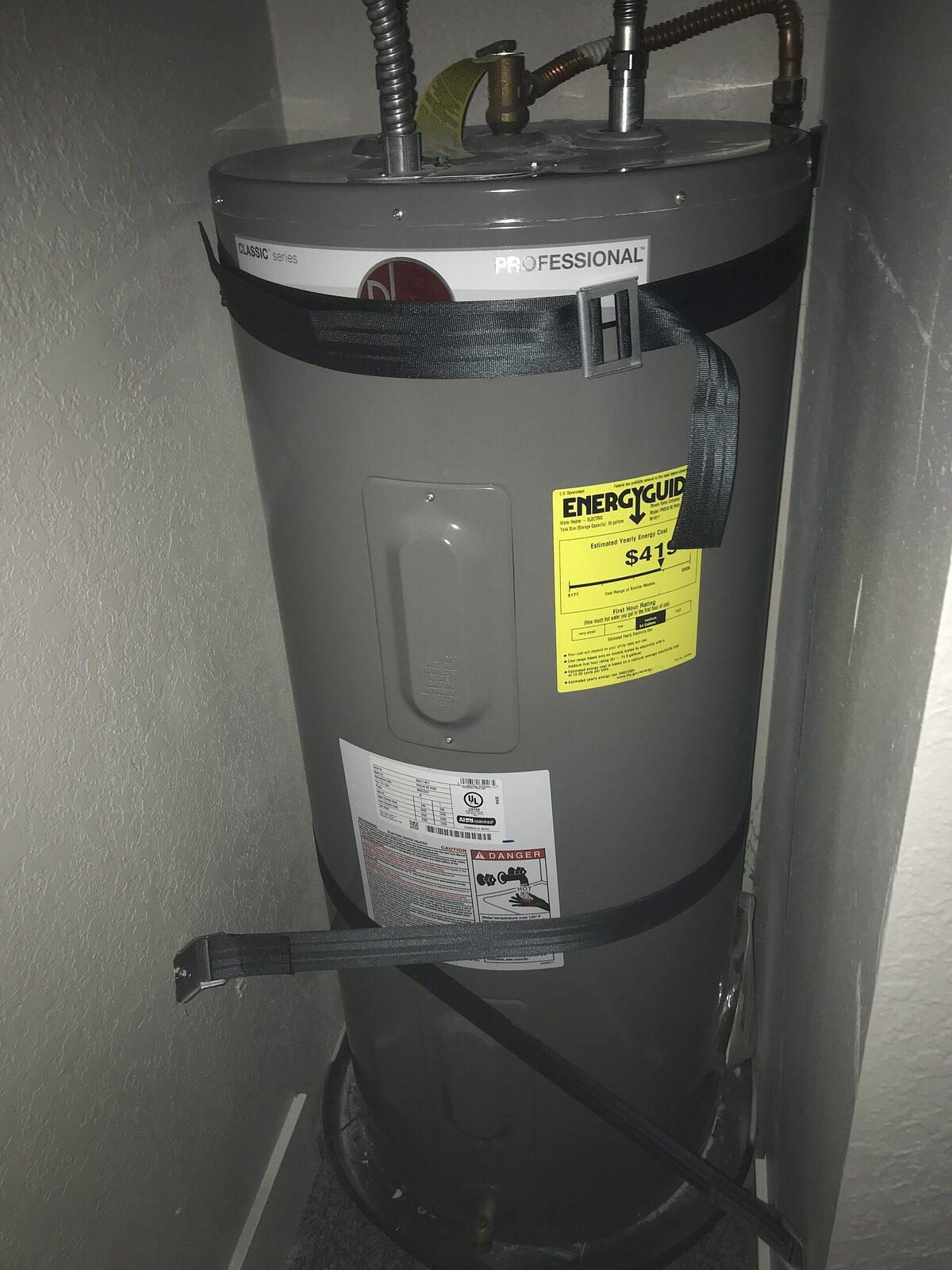
When an electric water heater stops heating, the usual suspects are few: a tripped breaker, a tripped reset button (the high-limit switch), or a failed heating element. Bradford White's service manual says element failure is the most common cause of all. Which symptom you have narrows it down further: no hot water at all points to the upper element, its thermostat or the reset; hot water that runs out fast points to the lower element or its thermostat.
Start with the symptom
The manufacturers' troubleshooting charts sort electric water heater problems by what you notice at the tap. Find your row first; it saves a lot of guessing.
| What you notice | Most likely causes (Bradford White's chart) | Start with |
|---|---|---|
| No hot water at all | No power, a loose wire, the upper element, the upper thermostat, or a tripped high limit (reset button) | Checks 1 and 2 |
| Some hot water, but it runs out fast or is only warm | The lower element, a thermostat set too low or failed, sediment on the elements, high demand, a heater too small, very cold incoming water, a broken dip tube | Check 3 and elements |
| Takes a long time to heat back up | Sediment or lime on the elements, a loose wire, a thermostat, or a lower-wattage replacement element | Sediment |
| Water too hot, or the reset keeps tripping | A grounded element, a thermostat not touching the tank, a thermostat stuck on | Reset keeps tripping |
| Singing or hissing from the tank | Lime on the elements | Sediment |
How a two-element heater heats
Many electric tank heaters have two heating elements, each with its own thermostat. Bradford White explains the non-simultaneous arrangement, where only one element runs at a time. When the tank is cold, the upper element heats the top of the tank first. Once the upper thermostat is satisfied, power switches to the lower element, which heats the rest. When you draw a lot of hot water and the top cools, power goes back to the top.
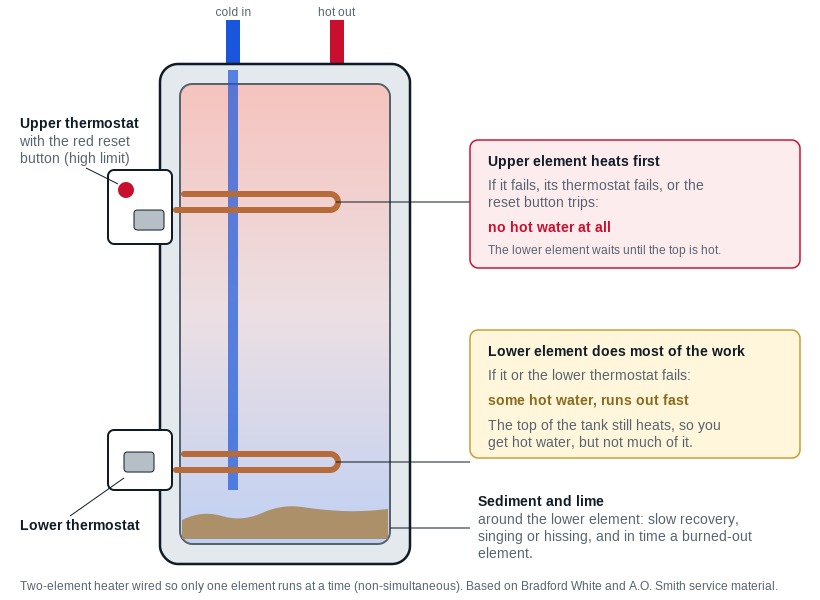
That sequence explains the two main symptoms. If the upper element, the upper thermostat or the high limit fails, nothing heats at all, because power never gets passed down. If the lower element fails, the top of the tank still heats, so you get some hot water that runs out quickly. A.O. Smith notes the lower thermostat does most of the work, which is why it tends to fail before the upper one.
If you have a gas water heater instead (a pilot light or a burner, a vent pipe on top), see pilot light is on but no hot water.
Checks you can do yourself
1. The circuit breaker
A.O. Smith calls a tripped breaker a very common reason an electric water heater stops working. Find the water heater's breaker in your panel (usually a double breaker) and check whether it's tripped. Reset it once.
If it trips again, leave it off. Bradford White explains that an element shorted to ground will, in most cases, trip the breaker, and Lennox adds a stuck thermostat, loose or corroded wiring, an internal short, a failing breaker, or water leaking onto electrical parts. All of these need diagnosis.
2. The reset button (high-limit switch)
Electric heaters have a safety switch that cuts power to both elements if the water gets dangerously hot. It's the red button on the upper thermostat, behind the upper access panel. Bradford White calls it the ECO (energy cut-off). Lennox's reset steps:
- Turn off the breaker to the water heater.
- Remove the upper access panel with a screwdriver.
- Find the red reset button on the thermostat (you may need to fold back insulation or a plastic cover).
- Press it firmly until you hear a click.
- Put the panel back, then turn the breaker on.
- Wait 30 to 60 minutes and check for hot water.
If it clicked, it had tripped, and A.O. Smith says that means the water got too hot at some point. One trip after a power outage or surge may not repeat (Lennox lists outages as a cause). But watch it: if it trips again, something is overheating the water. See when the reset button keeps tripping.
If it didn't click, the high limit wasn't the problem. A.O. Smith's next step is the upper element and then the upper thermostat.
3. The thermostat setting
If you're getting warm water but not hot, Bradford White's chart starts with a thermostat set too low. The thermostats are behind the access panels, so the same rule applies: breaker off first. Lennox suggests around 120°F as the balance between comfort, safety and energy use.
4. Give it time, and look at demand
A.O. Smith puts electric tank recovery at 60 to 90 minutes, about twice as long as gas. After a reset or a lot of hot water use, an empty tank is normal for a while. Bradford White's chart also lists high-demand periods, a heater too small for the household and very cold incoming water (common in winter) as reasons for running out. Spacing out showers and laundry, as A.O. Smith suggests, is the free fix; a larger heater is the real one.
5. Never power a tank that isn't full
If the heater was just installed, drained, or had an element replaced, make sure it's completely full before the breaker goes on: open a hot tap until water runs steadily without spitting air. Bradford White warns that an element that isn't fully submerged dry fires and burns out within seconds.
Testing the elements and thermostats
Bradford White calls element failure the most common cause of improper electric water heater operation, and says to check the elements first for both no hot water and not enough hot water. Testing them takes a multimeter and work near 240-volt terminals. Bradford White's manual is written for qualified service providers, so if you haven't done electrical work before, this is the point to call one.
What a technician (or an experienced DIYer) does, per A.O. Smith and Bradford White:
- Element resistance, power off and wires disconnected. A.O. Smith says a good element reads between 5 and 25 ohms, about 12.5 typical. Bradford White gives the formula: ohms equal volts squared divided by watts, so a 4,500-watt, 240-volt element should read about 12.8 ohms. The rating is stamped on the element's terminal block. An open reading means a burned-out element.
- Grounded element check: resistance from each terminal to the tank. A.O. Smith says the meter should read OL (no connection); any lower reading means the element is shorted to ground and must be replaced.
- Thermostats: if both elements test good, A.O. Smith says a thermostat is the likely fault, most often the lower one. A thermostat must sit flat against the tank, Bradford White adds, or it misreads the temperature.
- Wiring: Bradford White's quick plan starts with checking that every wire connection is tight and free of corrosion.
Replacing an element means draining the tank, unscrewing the old element and fitting one with the same voltage and wattage. Bradford White lists a lower-wattage ("derated") element as a cause of slow recovery, so match the stamp on the old one.
Sediment, lime and noisy elements
Minerals settle at the bottom of the tank and coat the elements, especially the lower one. Bradford White links them to three problems: slow hot water recovery, singing or hissing noises from the elements, and over time a burned-out element, when buildup traps an air pocket around it. The fix for a crusted element is to remove and clean or replace it. Regular flushing helps prevent it; Lennox recommends flushing the tank to remove sediment. Our guide to how long water heaters last covers flushing schedules and when an old tank isn't worth repairing.
When the reset button keeps tripping
A reset that trips again and again is the heater telling you the water is overheating. Bradford White says repeated trips are usually caused by a grounded element: one with a short that doesn't draw enough current to trip the breaker, so it heats nonstop until the high limit cuts it off. A.O. Smith adds the lower thermostat: if its contacts weld shut, the element never turns off. A thermostat that isn't in full contact with the tank, or a faulty high limit itself, can do the same.
Lennox's advice is not to keep pressing the button, since the underlying fault can get worse. Have the elements and thermostats tested.
When to call a pro
A failed element or thermostat is an ordinary repair. A leaking tank is not: Lennox says a leak needs immediate attention, and A.O. Smith says that if the tank itself is leaking, the whole water heater usually needs replacing. A leak around an element can be just a failed gasket, which A.O. Smith says is replaced with the power off and the tank drained. Gas heaters have their own guides: pilot light won't light and pilot is on but no hot water. All topics: water heater troubleshooting.
Questions people ask
Where is the reset button on an electric water heater?
Behind the upper access panel, on the upper thermostat. Lennox describes it as a red button that's usually the most visible part once the cover is off. Turn the breaker off before you remove the panel, press the button firmly until it clicks, put the panel back and turn the breaker on.
Why does my water heater reset button keep tripping?
Because the water got too hot, and something made it do that. Bradford White says repeated tripping is usually the result of a grounded (shorted) heating element, which can keep heating nonstop. A.O. Smith points to a grounded element or a lower thermostat whose contacts have stuck closed. Lennox adds wiring faults and water leaking onto electrical parts. Stop resetting it and have it diagnosed.
How long does an electric water heater take to heat up?
A.O. Smith puts the recovery time for an electric tank at 60 to 90 minutes, versus 30 to 40 minutes for gas. After a reset, Lennox says to wait 30 to 60 minutes before checking for hot water. If there's still nothing after a couple of hours, the heater isn't heating.
Why do I have hot water, but it runs out quickly?
On a two-element heater, that usually means the lower element or lower thermostat has failed. The upper element still heats the top of the tank, so you get a little hot water and then it goes cold. Bradford White's chart also lists a thermostat set too low, sediment on the elements, a broken dip tube, very cold incoming water and a heater too small for the demand.
Can I turn the power back on right after draining the tank?
No. Bradford White warns that an element that isn't fully under water burns out within seconds, which it calls dry firing. Make sure the tank is completely full, with a hot tap running water and no air, before you switch the breaker back on.
Sources
- Bradford White: Residential electric water heaters service manual (PDF)
- A.O. Smith: Standard electric, no hot water troubleshooting (PDF)
- A.O. Smith: Water heater not heating, common causes
- Lennox: How to reset a water heater
Written by the Why It Stopped editorial team from the manufacturer manuals and safety guidance listed above. It covers checks a homeowner can do safely; gas lines, refrigerant and sealed components are work for a licensed technician. See our editorial policy and safety disclaimer.
Other water heater problems
How long do water heaters last, and how to tell yours is near the end
Lifespan by type, how to read your heater's age, warning signs, and the repair-or-replace rule of thumb.

Why your water heater pilot light keeps going out
Lights, then dies: timing points to the thermocouple, drafts, a dirty pilot or the gas supply.
Water heater pilot light won't light: what's stopping it
No flame at all when you try to light it: gas supply, igniter, clogged pilot or a tripped safety device.
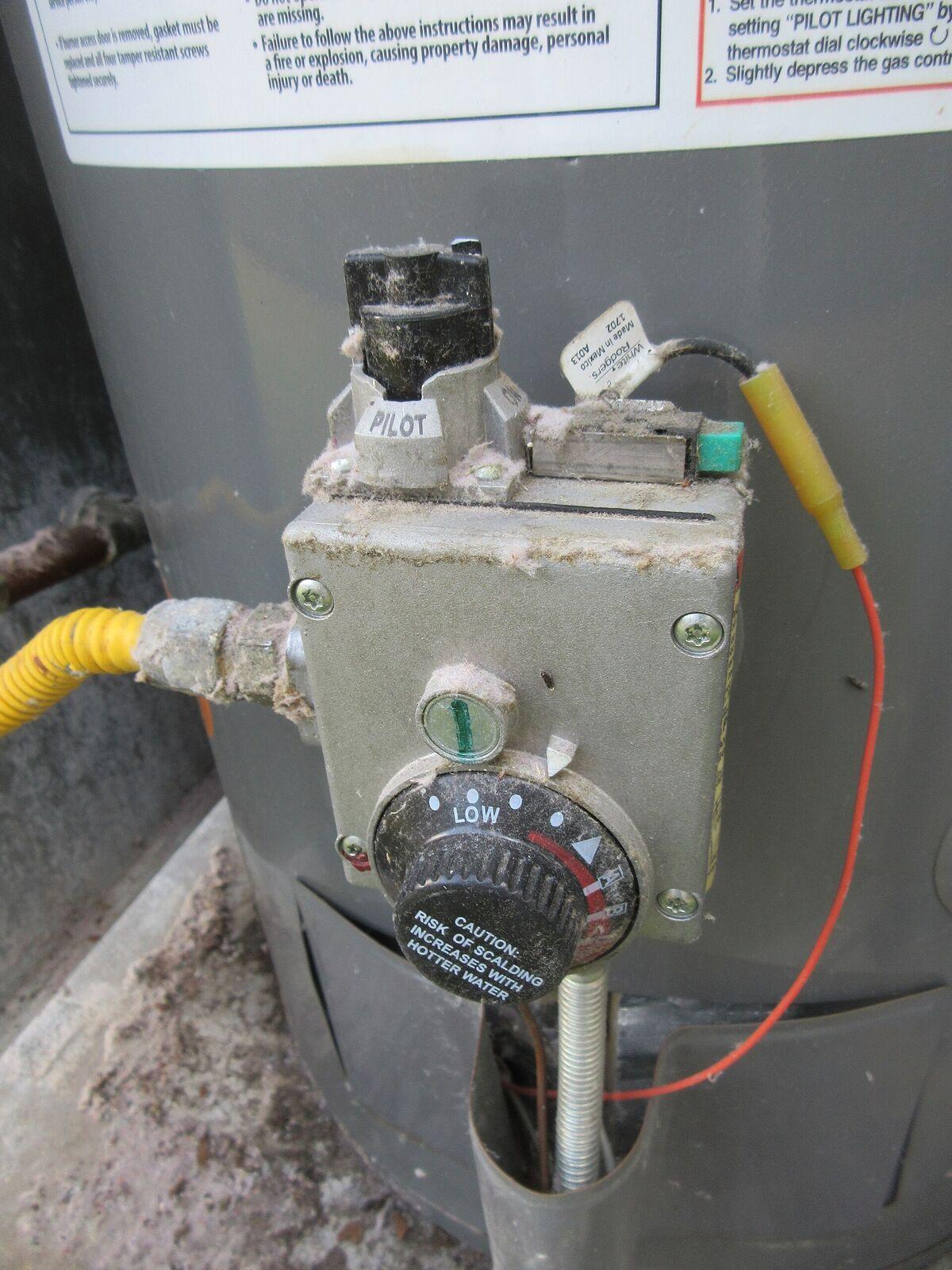
Pilot light is on but no hot water: why the burner isn't doing its job
Pilot burning, water cold or lukewarm: the main burner, the temperature dial, gas pressure, demand or the dip tube.
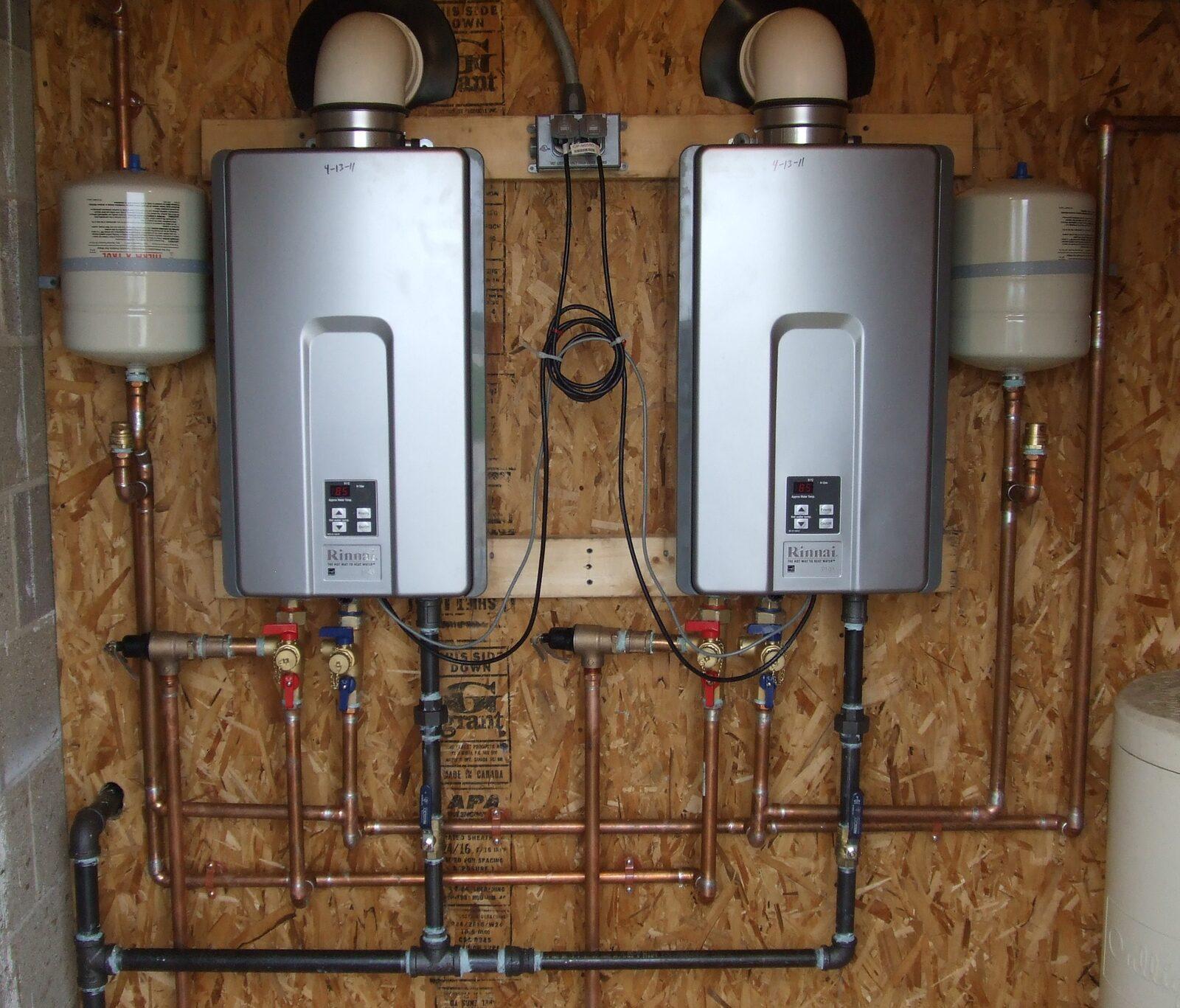
Rinnai code 11: why your tankless water heater won't light
No ignition: gas off or low, empty propane tank, air in a new line, wrong gas type, then igniter and flame rod.
Rinnai code 12: why the flame goes out, and what to check
Flame lost: gas pressure under load, exhaust recirculating at the vent, flame rod, moisture or grounding.
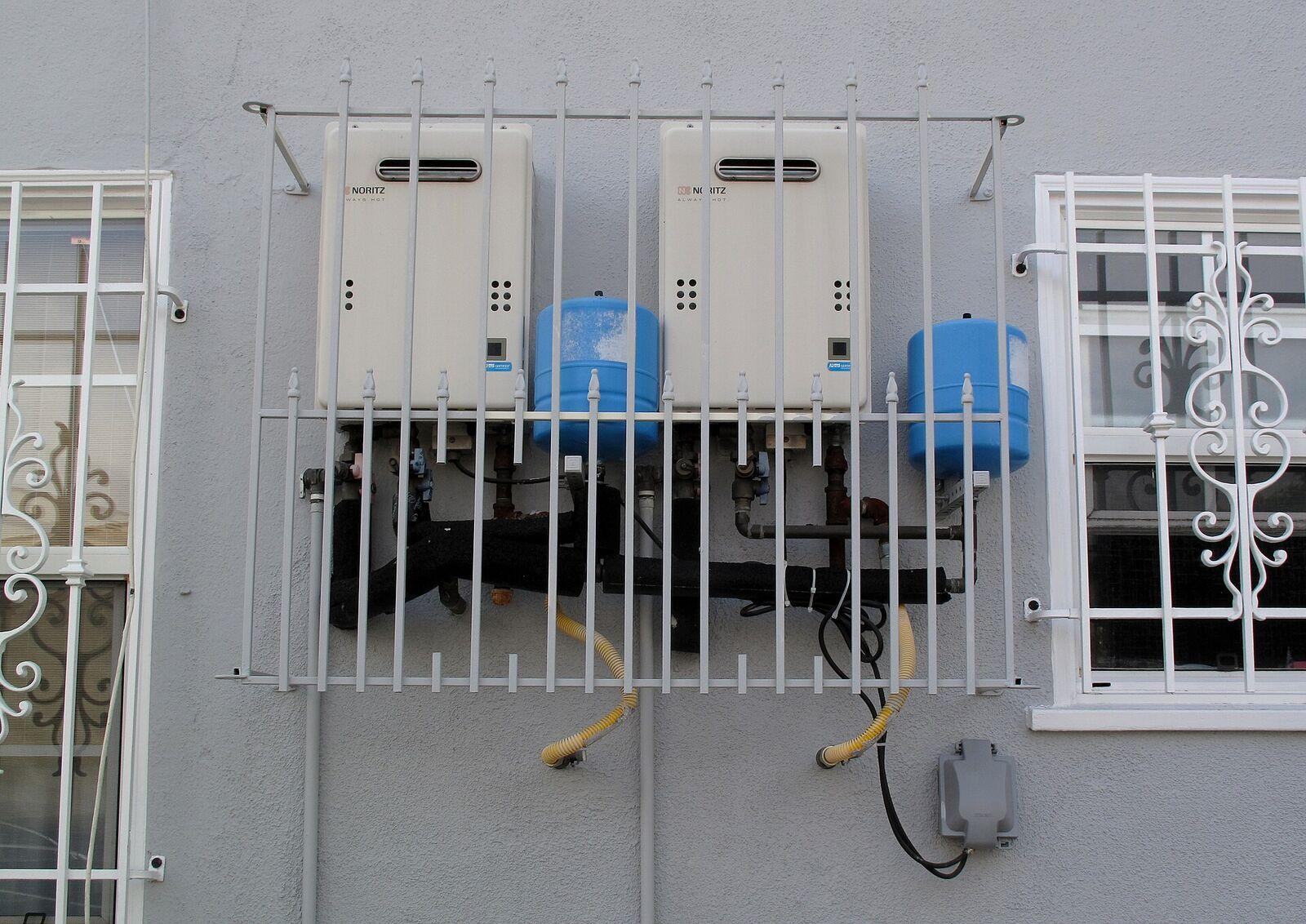
Tankless water heater maintenance: what it needs and how often
Descaling once a year (more in hard water), inlet and air filters, vent checks, and what to leave to a pro.