Water heater pilot light won't light: what's stopping it
Why It Stopped editorial team, updated
If the pilot on a gas water heater won't catch at all, the cause is almost always one of four things: no gas reaching the pilot, no spark from the igniter, a pilot opening blocked by dirt, or a safety device that has shut the unit down. Most of these can be checked in a few minutes without tools; the last one usually needs a technician.
Won't light, or won't stay lit?
These are two different problems, and they point to different parts. Watch closely on your next attempt:
| What you see | What it usually means | Go to |
|---|---|---|
| No flame at all, no matter how long you try | Gas isn't reaching the pilot, or there's no spark | This guide |
| Flame appears, then dies the moment you release the button | The thermocouple isn't holding the gas valve open | Pilot light keeps going out |
| Flame stays lit for minutes or hours, then goes out | Drafts, venting or a weak flame | Pilot light keeps going out |
| Weak, yellow or lazy flame that barely catches | Dirty pilot opening or starved combustion air | Causes 4 and 5 below |
If you're in the first row, keep reading.
First, know which kind of heater you have
Look at the front of the tank, near the bottom.
- Gas control knob with OFF / PILOT / ON and a push button or red igniter button. This is a standing-pilot heater. Everything below applies.
- A display, a status light, or a power cord to the wall. Many power-vent and electronic-ignition heaters have no standing pilot at all; they light the burner on demand. "Won't light" on those units usually shows as a flashing code. Check the code chart on the heater's label or in its manual.
- No gas line, just electrical wiring. It's an electric heater: there is no pilot. Start with the breaker and the reset button instead. Our water heater guides cover those symptoms.
Most gas tank heaters made for homes since July 1, 2003 also meet the ANSI Z21.10.1 flammable-vapor standard (FVIR). The rule started with the common 30-, 40- and 50-gallon models. On many of them the burner sits behind a sealed inner door with a flame arrestor underneath, you light the pilot with a built-in igniter, and you watch it through a small window. If yours looks like that, don't try to pry the inner door open to get a match in.
How to relight a standing pilot safely
Before anything else, sniff near the floor around the heater. A strong rotten-egg smell means stop, leave the house and call your gas utility from outside.
- Turn the gas control knob to OFF and wait five minutes so leftover gas can clear.
- Turn the knob to PILOT.
- Press and hold the pilot button (on some models you press the knob itself).
- Click the igniter or, only if your label allows it, use a long lighter at the pilot opening. Keep holding the button.
- Keep holding for 30 to 60 seconds after the flame appears, so the thermocouple heats up.
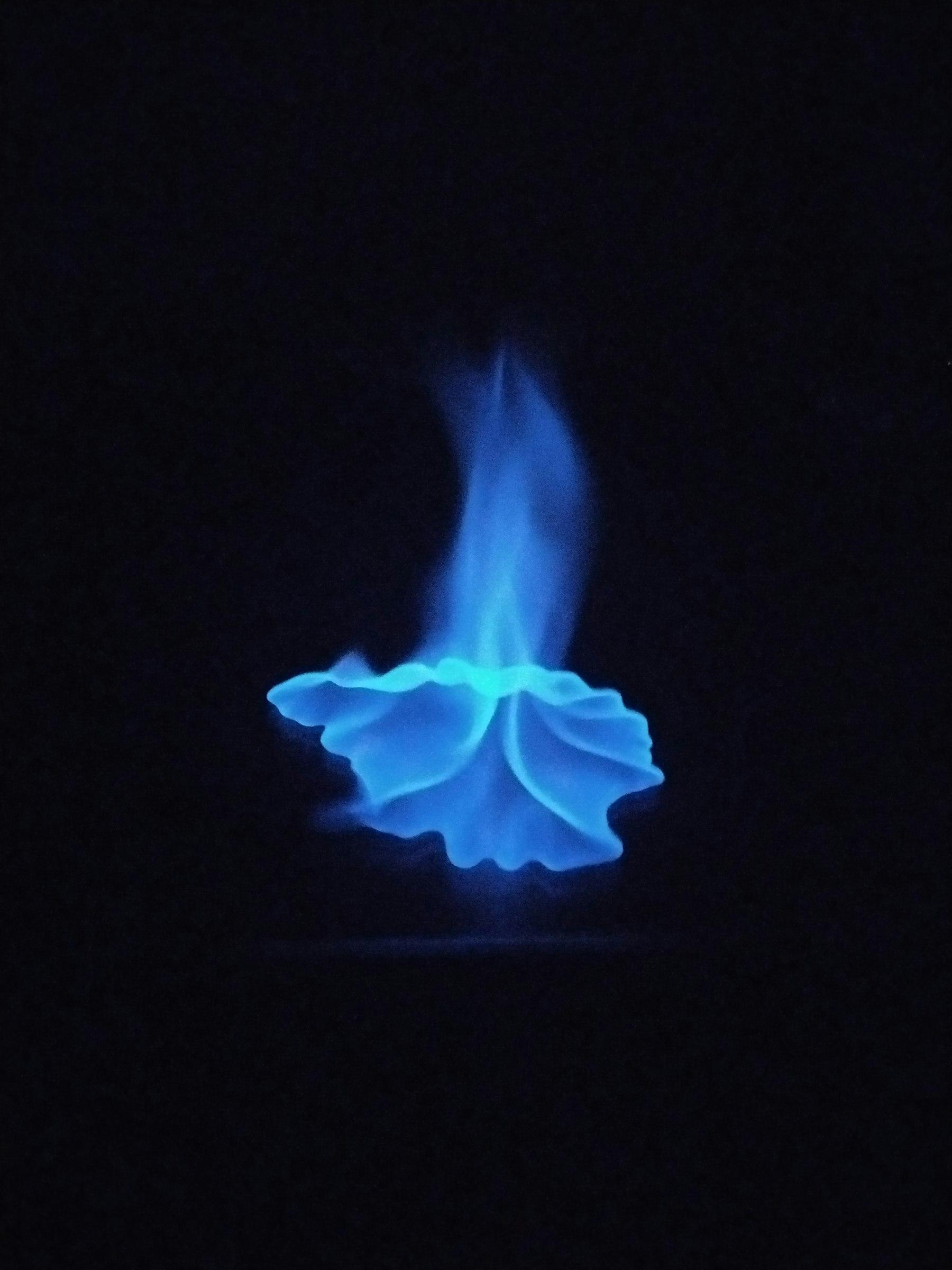
- Release slowly and check that the flame stays lit. A healthy pilot is small, steady and blue.
- Turn the knob to ON. The main burner should fire. Hot water takes roughly 30 to 60 minutes to come back.
Your heater's lighting label always wins over a generic list like this one. Timings and knob layouts vary between brands.
7 reasons a pilot won't light at all
1. The gas control is in the wrong position
It sounds too simple, but it's common after someone turns the heater off for vacation or a repair. The knob has to be on PILOT while you light it, and the temperature dial on some controls must be at its lowest pilot-lighting setting first. Read the label.
2. The gas supply valve is closed
Follow the gas pipe from the heater back a foot or two. You'll find a shutoff valve with a handle. When the handle runs parallel to the pipe, it's open; across the pipe means closed. If someone worked on the gas line or replaced the meter, this valve or the main at the meter may still be off.
3. No gas in the house, or air in the line
Check another gas appliance. If the stove burners won't light either, the problem is upstream: call your gas utility. After a gas shutoff or a new installation, the pilot line can also be full of air, and it may take a few attempts (with the five-minute wait between them) before gas reaches the pilot.
4. The pilot opening is clogged
The pilot burns through a tiny opening. Dust, rust flakes and debris can block it, giving you either no flame or a weak, flickering one. Lennox notes that with the gas fully off, a minor blockage at the pilot tube opening can sometimes be cleared with compressed air or a thin brush, and warns against using water or liquid cleaners near gas parts. On sealed-burner heaters that means opening the inner door, which is technician work.
5. The flame arrestor is blocked by lint and dust
FVIR heaters pull their combustion air through an arrestor screen at the bottom of the tank. Industry testing found that lint, dust and oil can clog these screens over time, starving the burner of air. A heater in a laundry room, garage or dusty basement is the classic case. You'll often see a coating of fuzz on the outside of the screen at the base.
- What you can do: with the heater off, vacuum the outside of the air intake area and keep lint, storage boxes and chemicals away from the base.
- What you shouldn't do: remove the burner assembly or the arrestor plate yourself.
6. The igniter isn't sparking
Turn off the lights and click the igniter while looking through the viewing window. You should see a small blue-white spark at the pilot. No spark, or a spark that jumps somewhere else, means a cracked igniter, a loose wire, or an electrode knocked out of place. The part is cheap; reaching it on a sealed burner is the hard part.
7. A safety device has tripped
FVIR heaters carry a thermal cutoff that shuts off the gas if the combustion chamber gets too hot, for example after flammable vapors ignite inside it or because a clogged lint screen starved the burner of air. Once it trips, the heater won't light no matter what you do at the knob. Designs differ: some manufacturers put a resettable thermal switch on the outside of the heater, while others build the sensor into the pilot assembly, which is replaced as one unit. Either way, the reason it tripped has to be found first, which is a job for a plumber or water heater technician.
When to call a pro
Tell the technician the brand, model and serial number from the rating plate, what you saw through the window, and what you've already tried. It shortens the visit.
If the pilot does light but goes out again, the next guide is why a water heater pilot light keeps going out. If your furnace is acting up at the same time, start with furnace not turning on: both appliances share the same gas supply.
Questions people ask
How long should I hold the pilot button after the pilot lights?
Lennox's relighting guide says to keep the button pressed for 30 to 60 seconds after the flame catches. That gives the thermocouple time to heat up and hold the gas valve open. Let go too early and the gas shuts off and the flame goes out, which looks like a lighting problem but isn't one.
Why do I have to wait before relighting?
After you turn the control to OFF, Lennox recommends waiting five full minutes so any gas left in the burner area can clear. Trying again and again without waiting lets gas build up inside the combustion chamber.
Can I light a newer water heater with a match?
Usually not. Most residential gas tank heaters built since July 2003 meet a flammable-vapor standard (FVIR), and many of them have a sealed burner door, a built-in igniter button and a small viewing window. Follow the lighting label on your heater: if it says to use the igniter, use the igniter.
The igniter clicks but I don't see a spark. What now?
Check in a darkened room through the viewing window. No visible spark usually means the igniter, its wire or its electrode is damaged or out of position. These are inexpensive parts, but on sealed-combustion heaters they sit behind the inner door, which should be opened by a technician.
Is it safe to keep trying until it lights?
No. If the pilot won't light or won't stay lit after two or three careful attempts, stop, turn the control to OFF and call a technician or your gas supplier. Repeated attempts are how gas accumulates.
Sources
- Lennox: How to light a pilot light on a water heater
- Lennox: Water heater pilot light keeps going out
- Lennox: Hot water heater not working
- ACHR News: Water heater design changes (FVIR, ANSI Z21.10.1, lint/dust/oil)
- PM Engineer / PM Magazine: A new design for gas water heaters (arrestors, LDO screens, thermal cutoffs)
- CPSC: New technology in gas water heaters (2003)
Written by the Why It Stopped editorial team from the manufacturer manuals and safety guidance listed above. It covers checks a homeowner can do safely; gas lines, refrigerant and sealed components are work for a licensed technician. See our editorial policy and safety disclaimer.