How long do water heaters last, and how to tell yours is near the end
Why It Stopped editorial team, updated
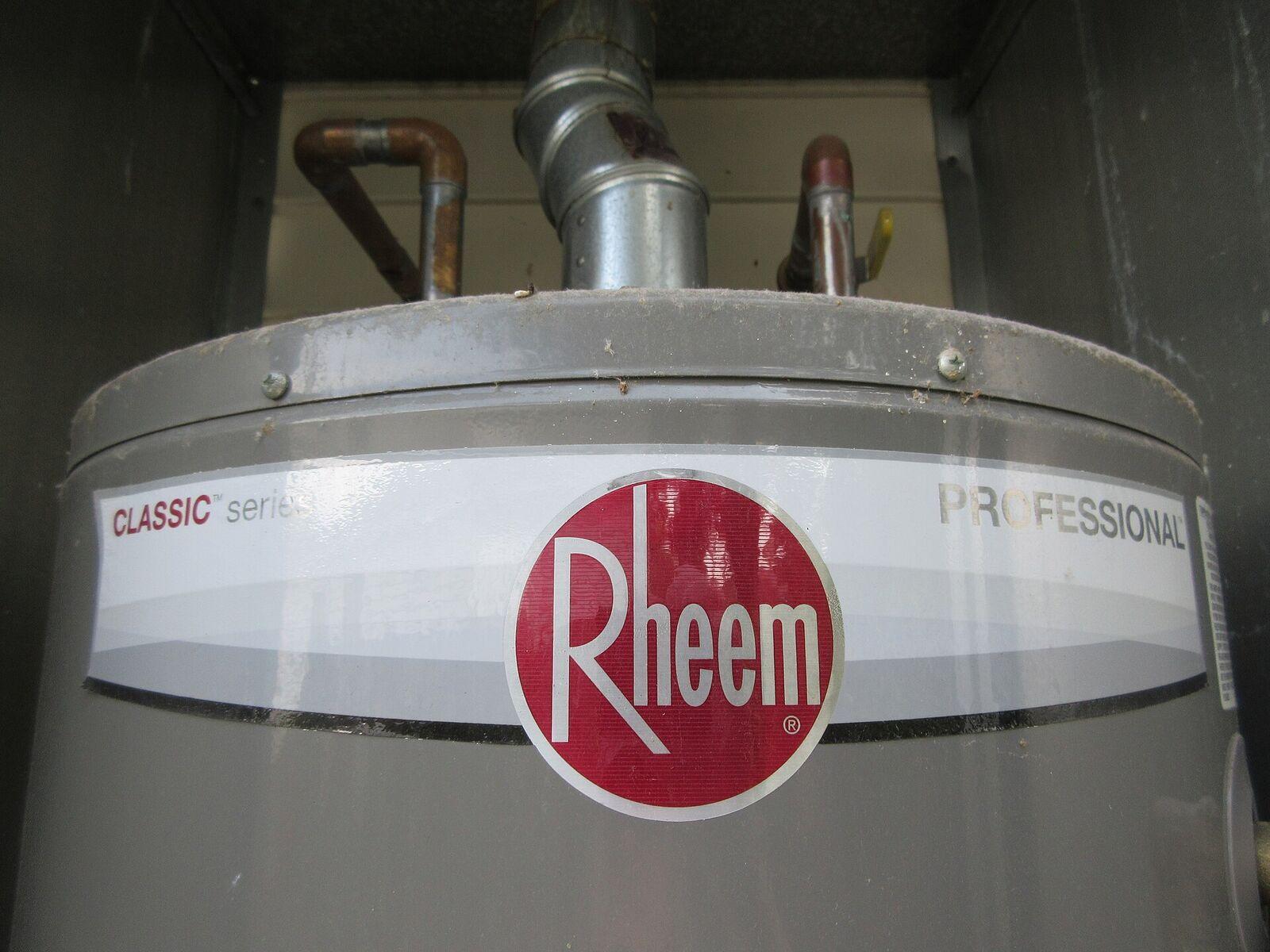
A standard tank water heater usually lasts about 8 to 12 years in real homes, according to both Lennox and A.O. Smith, even though the Department of Energy's estimate runs 10 to 15. Tankless units typically last 15 to 20 years, and heat pump water heaters 10 to 15. Where yours lands depends mostly on water hardness, maintenance and how hard the household works it.
Typical lifespan by type
| Type | Typical life | Source |
|---|---|---|
| Tank, gas or electric | About 8 to 12 years in real homes; DOE estimates 10 to 15 | Lennox, A.O. Smith |
| Heat pump (hybrid) tank | About 10 to 15 years | Lennox |
| Tankless (on-demand) | About 15 to 20 years with proper care | A.O. Smith |
Why the gap between the Department of Energy's 10 to 15 years and the 8 to 12 that manufacturers see? Lennox puts it down to real conditions: hard water, skipped maintenance, heavy use and installations in cold garages or crawlspaces. Those same factors decide whether your heater is an early or a late finisher.
Tankless units last longer mainly because there's no tank to fill with sediment and corrode, as A.O. Smith explains. Their weak point is scale inside the heat exchanger instead, which is why they need regular descaling (see tankless water heater maintenance).
How to find your water heater's age
- Find the rating plate. It's the label on the side of the tank, usually near the gas control or the top access panel. Lennox notes the manufacture date is encoded on it.
- Read the serial number. Most brands encode the year and month in the first few characters, but each brand does it differently. Search the brand name with "serial number date code", or look in the manual.
- Check your paperwork. A permit, invoice or home inspection report may give the install date. Install date and manufacture date are usually close, but not always.
Write the date on the tank with a marker once you know it. The next person who has to make a repair-or-replace call will thank you.
What shortens a water heater's life
- Hard water. Minerals settle as sediment in a tank and as scale in a tankless heat exchanger. Lennox says that in high-hardness areas a heater's realistic lifespan can shrink by 2 to 5 years without corrective action. It cites the EPA threshold for hard water: more than 7 grains per gallon (120 mg/L).
- No maintenance. The sediment layer makes the heater work harder and speeds up corrosion of the tank lining. The anode rod, which corrodes so the tank doesn't, eventually gets used up.
- Heavy use. More people and more appliances mean more heating cycles every day, and Lennox notes those extra cycles add up as wear.
- Wrong size or bad installation. An undersized heater works harder and wears out faster, A.O. Smith says. Lennox adds that a unit the wrong size, vented improperly or installed somewhere it wasn't designed for will underperform from day one.
- Cold locations. A heater in an unheated garage, basement or crawlspace in a cold climate works harder to make up for the lost heat.
- High water pressure, which A.O. Smith lists as a stress that shortens tankless life.
Signs your heater is near the end
| Sign | What it usually means |
|---|---|
| Age past about 10 years (tank) | You're in the zone where failure gets more likely. Lennox calls 12 to 15 years "borrowed time". |
| Rusty or discolored hot water | The inside of the tank is corroding. Lennox treats this as a direct warning of leaks to come. |
| Water pooling or dampness at the base | A leak. Find out where it's from right away: a fitting or valve may be fixable; a leaking tank is not. |
| Rumbling, popping or banging while heating | Hardened sediment shifting as it heats. It also cuts efficiency. |
| Hot water runs out sooner than it used to | Sediment taking up room, or a failing dip tube mixing cold into hot. |
| Rising gas or electric bills with the same use | Lost efficiency, often from sediment. |
| Repairs becoming regular | Lennox says that pattern rarely means reliable years ahead. |
Shorter hot water isn't always the end of the tank. A cracked dip tube gives the same symptom and is a much smaller repair; Lennox lists plastic bits in faucet aerators as a giveaway. Our guide to pilot lit but no hot water helps you tell these causes apart.
How to make a water heater last longer
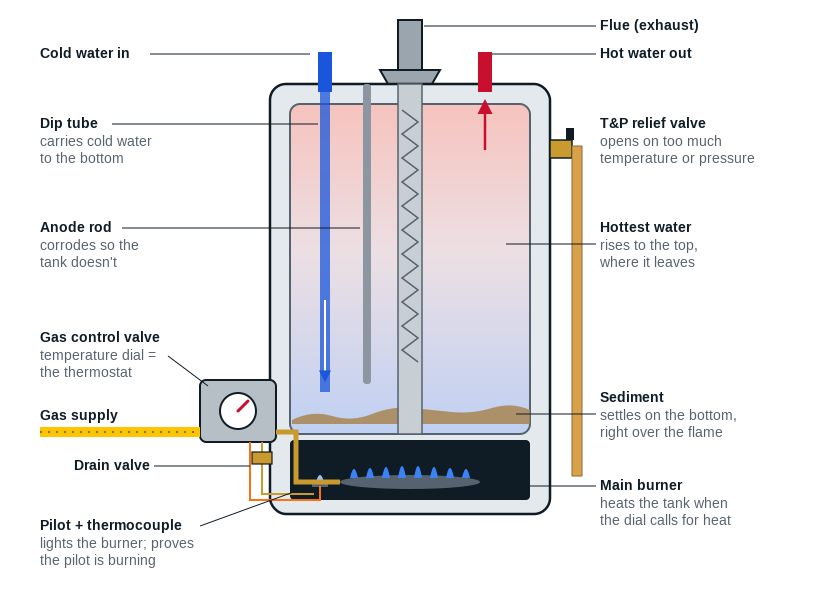
- Flush the tank once a year, or twice in hard-water areas (Lennox). On a tankless unit, descale at least once a year (Navien).
- Check the anode rod every 3 to 5 years and replace it when it's worn down to its core wire. Lennox estimates a fresh rod can add 2 to 4 years.
- Keep the temperature sensible. Lennox cites the Department of Energy's recommendation of 120°F for most households and notes running hotter speeds up sediment and stresses the tank.
- Soften hard water if you have it; A.O. Smith recommends a whole-home softener for conventional tankless units in hard water.
- Have it inspected yearly. A plumber can test the pressure relief valve, check the anode and spot early corrosion.
- Keep the base clear of lint, boxes and chemicals, especially on gas heaters, which need that air.
Repair or replace?
Lennox's rule of thumb is simple: once a tank is past about 10 years, and a repair would cost more than half of a new installation, replace it. Below that line, repairs usually make sense.
| Situation | Usually |
|---|---|
| Under 8 years, a thermocouple, igniter, element, thermostat or dip tube | Repair |
| Any age, a leaking relief valve or fitting | Repair (and find out why) |
| Any age, water leaking from the tank itself | Replace |
| 10+ years, a big repair such as a gas control valve | Lean toward replacement |
| 10+ years, rust in the hot water | Replace |
When you do replace, it's worth comparing options, because newer models are more efficient. Lennox cites a Department of Energy estimate of about $1,800 in utility savings over the life of a qualifying heat pump water heater compared with an older electric resistance tank.
If your heater is acting up right now rather than just getting old, start with the symptom: pilot light won't light, pilot light keeps going out or pilot lit but no hot water. All topics: water heater troubleshooting.
Questions people ask
How long does a gas water heater last compared with an electric one?
Both are tank heaters and fall in the same broad range: Lennox and A.O. Smith put tank models at about 8 to 12 years in practice. Water quality, maintenance and installation matter more than the fuel. Heat pump (hybrid) tanks are rated a little longer, around 10 to 15 years.
How do I find out how old my water heater is?
Look at the rating plate (nameplate) on the side of the tank. The manufacture date is encoded in the serial number; the format differs by brand, so search the brand name with 'serial number date' or check the manual. If you have the installation invoice, that works too.
Is a 15-year-old water heater worth repairing?
Usually not for anything major. Lennox treats 10 years as the point where every repair deserves a harder look and says that if a repair costs more than half the price of a replacement, a new unit is generally the better investment.
Does flushing a water heater make it last longer?
It helps. Sediment at the bottom of the tank makes the heater work harder and speeds up corrosion. Lennox recommends draining and flushing once a year, or twice in hard water areas, plus inspecting the anode rod every 3 to 5 years.
What happens if I keep running an old water heater until it fails?
Sometimes nothing dramatic, but the usual way a tank dies is by leaking. Lennox warns that a corroded tank can leak and cause water damage that costs far more than a planned replacement. Replacing on your schedule also avoids days without hot water.
Sources
- Lennox: How long can a water heater last?
- A.O. Smith: How long do tankless water heaters last?
- Lennox: Dip tube in a water heater
- Navien: How to descale tankless water heaters
Written by the Why It Stopped editorial team from the manufacturer manuals and safety guidance listed above. It covers checks a homeowner can do safely; gas lines, refrigerant and sealed components are work for a licensed technician. See our editorial policy and safety disclaimer.
Other water heater problems

Why your water heater pilot light keeps going out
Lights, then dies: timing points to the thermocouple, drafts, a dirty pilot or the gas supply.
Water heater pilot light won't light: what's stopping it
No flame at all when you try to light it: gas supply, igniter, clogged pilot or a tripped safety device.
Pilot light is on but no hot water: why the burner isn't doing its job
Pilot burning, water cold or lukewarm: the main burner, the temperature dial, gas pressure, demand or the dip tube.
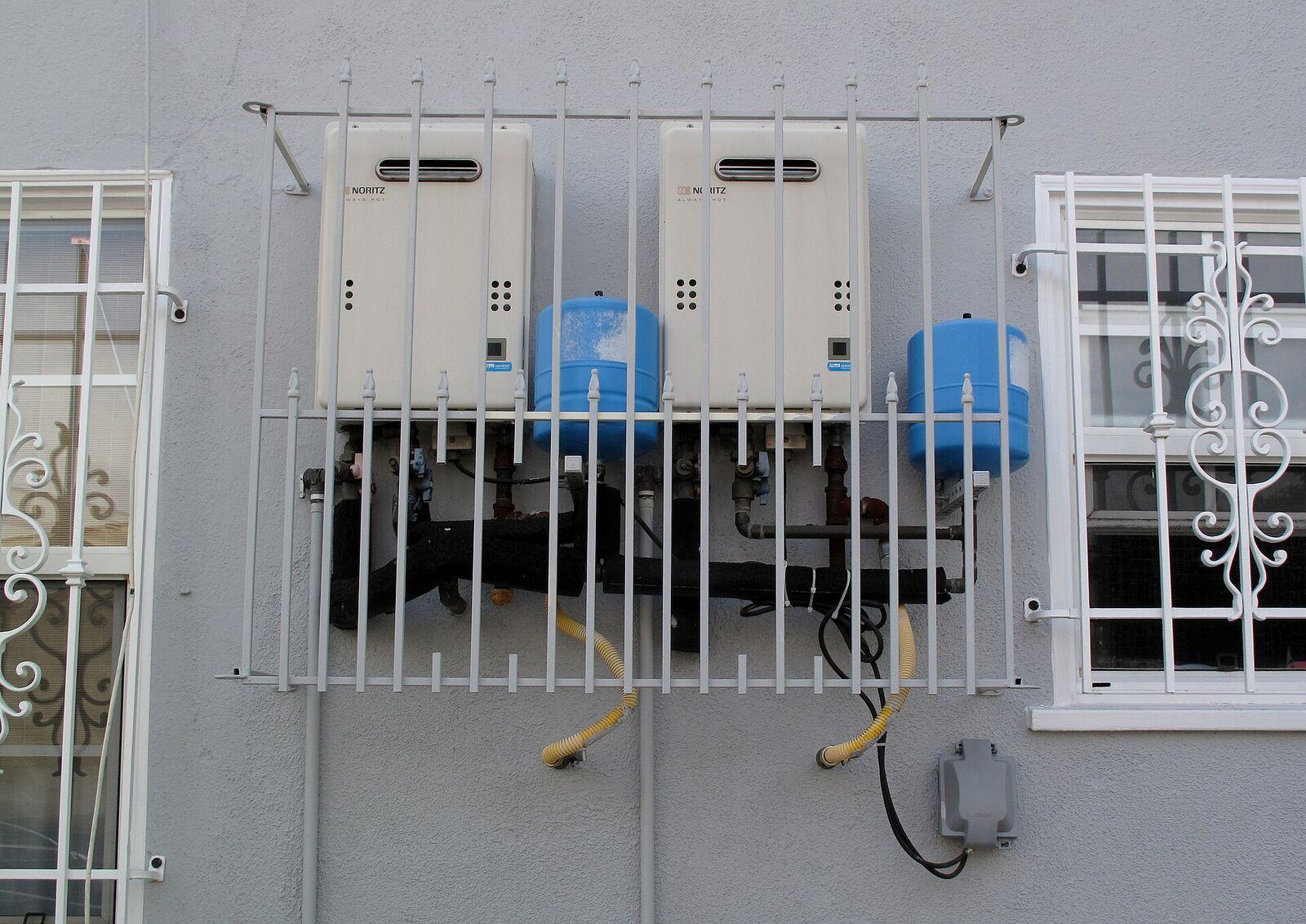
Tankless water heater maintenance: what it needs and how often
Descaling once a year (more in hard water), inlet and air filters, vent checks, and what to leave to a pro.