Heat pump maintenance: what you do, what the technician does, and when
Why It Stopped editorial team, updated
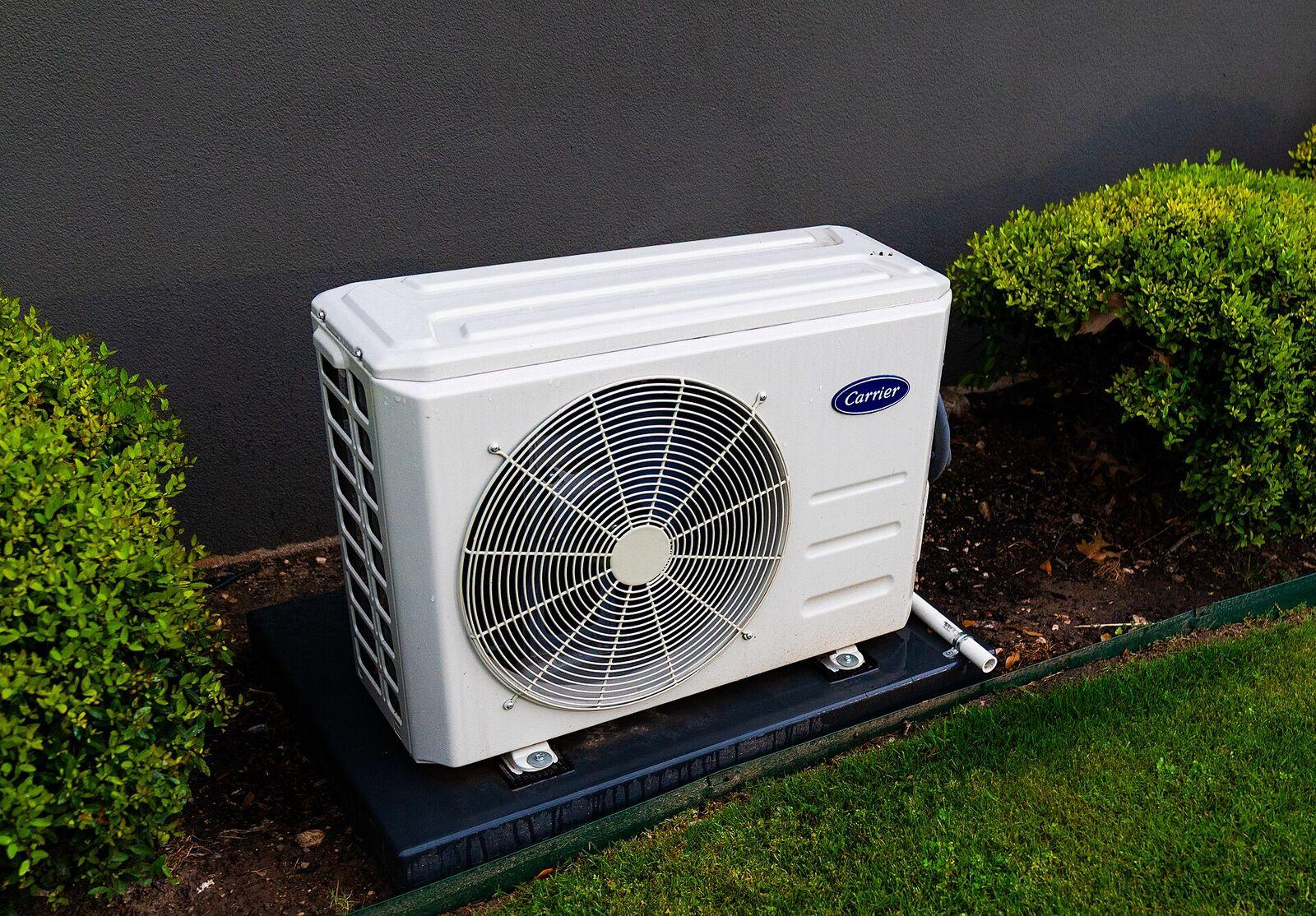
A heat pump heats and cools, so it runs most of the year and wears faster than a furnace or an AC alone. Its upkeep comes down to three things: change the filter every 1 to 3 months, keep the outdoor unit clear (2 feet on every side, no snow piled against it, no gutter dripping on it), and book a professional tune-up twice a year, in spring and fall, as both Trane and Lennox recommend.
The schedule at a glance
| When | Job | Who |
|---|---|---|
| Monthly | Look at the filter; change it when dirty | You |
| Every 1 to 3 months | Replace the filter (Lennox: 1 to 3 months; Trane: 30 to 90 days) | You |
| After storms, all winter | Clear snow from around and on top of the outdoor unit | You |
| Spring and fall | Clear leaves and plants back to 2 feet; look at the coil, the pad and the drain | You |
| Spring and fall | Professional tune-up | Technician |
The reason for two pro visits instead of one: a furnace only works in winter and an AC only in summer, but a heat pump does both. ENERGY STAR recommends checking cooling in spring and heating in fall, before contractors get busy, and suggests tying the visits to the clock changes so you remember.
Your part: the filter
The filter protects the indoor coil and blower as much as your lungs. Trane explains that a clogged filter blocks airflow and makes the heat pump and indoor unit work harder, which raises bills and can lead to costly repairs. Lennox adds that restricted airflow is one of the causes of a heat pump freezing up.
- How often: Trane says every 30 to 90 days in general; ENERGY STAR says inspect it monthly. Thicker, higher-quality filters may last longer than 1-inch ones, Trane notes. Pets, construction dust and long running seasons shorten the interval.
- How: turn off the air handler or furnace, take out the old filter, slide in the correct size with the airflow arrows pointing the right way, and switch it back on. That's Trane's sequence.
- Also: keep supply registers open and returns clear of furniture and curtains.
Your part: the outdoor unit
Clearance and position
- Two feet on all sides. Trane and Lennox both say to keep plants, shrubs and stored stuff at least 2 feet away. Fences, grills and woodpiles count too.
- Off the ground. Trane recommends the unit sit 4 to 8 inches above the ground so it can drain.
- Level. Lennox says to check the unit sits level on its pad, because settling can cause drainage problems.
- No drip from above. Make sure a gutter or downspout doesn't dump water onto the unit. Trane warns the water can collect and freeze, blocking airflow.
The coil
Trane says to clean the outdoor coil whenever it looks dirty. Turn the power off at the outdoor disconnect, brush off leaves and cottonwood fluff, then rinse gently with a garden hose, spraying from the inside out, which is the method Lennox gives for outdoor coils. Keep the spray gentle: the aluminum fins bend easily. If the coil is matted with dirt, leave the deeper cleaning to the technician.
Winter care
A heat pump keeps running through the cold, so winter is when the outdoor unit needs the most attention. From Lennox's and Trane's guidance:
- Clear snow away from the unit after storms, but don't pile it against the sides.
- Brush light snow off the top with a broom. Never use sharp tools.
- A cover or snow guard over the top only is fine. Never wrap the sides.
- Light frost is normal and the defrost cycle deals with it, as Trane explains. You may see steam and hear a whoosh when it runs.
- Heavy ice that doesn't clear during defrost is a problem. Don't chip at it; see our steps for a heat pump that's frozen or blowing cold air.
The technician's part: what a tune-up should cover
Trane publishes its dealer checklist for a heat pump service visit. Use it to judge what you're paying for:
- Check ducts, filters, blower, outdoor fan motor and both coils for dirt and obstructions, and clean the coils if needed (sometimes a separate visit).
- Confirm the system has adequate airflow.
- Check the refrigerant level and look for leaks.
- Inspect the reversing valve, the part that switches between heating and cooling.
- Check the defrost controls (in the fall).
- Inspect, clean and tighten electrical terminals.
- Lubricate motors and check belts where the unit has them.
- Make sure heating is locked out when the thermostat calls for cooling, and vice versa.
- Clear the base-pan drain holes in the outdoor unit.
- Verify the sensors work.
ENERGY STAR's general checklist adds a few items: measuring voltage and current on motors, checking the condensate drain (a plugged one can cause water damage), and watching a full start, run and shut-off cycle. If your system has a gas furnace as backup (dual fuel), the fall visit should also cover the furnace's gas connections, burner and heat exchanger.
What it costs
Trane cites Forbes at about $100 to $300 per tune-up, and says a maintenance plan can lower that. Lennox notes most plans include two seasonal visits a year, which is the minimum to look for.
Settings that reduce wear
Trane suggests not setting the thermostat below 65°F in heating season or below 70°F in cooling season, to keep run time and bills down. A programmable or smart thermostat (Trane lists one among its tips for extending a heat pump's life) makes that easier.
On cold days, the thermostat may show aux heat as the backup helps out. That's normal for short periods. If it seems to be on all the time, or the heat pump never stops, see heat pump keeps running.
Why it's worth doing
- Efficiency. ENERGY STAR says airflow problems alone can cut a system's efficiency by up to 15 percent, and dirty coils make it run longer.
- Lifespan. Trane puts a typical heat pump at about 15 years and says regular maintenance can stretch that. Lennox says systems designed for 10 to 15 years get there only with proper care.
- Fewer emergencies. Weak capacitors, loose wiring and failing defrost parts are found at tune-ups before they leave you without heat. If yours has already quit, start with heat pump not turning on.
The same filter and outdoor-unit habits apply to a central air conditioner; see AC not blowing cold air for how they affect cooling. All topics: heat pump troubleshooting.
Questions people ask
How often does a heat pump need maintenance?
Twice a year by a professional: in spring before cooling season and in fall before heating season, as Trane and Lennox both recommend. A heat pump does both jobs, so it gets two seasons of heavy use. In between, you check the filter monthly and change it every 1 to 3 months.
How much does a heat pump tune-up cost?
Trane cites Forbes at roughly $100 to $300 per tune-up, and says a maintenance plan with your HVAC company can bring that down. Repairs found during the visit are usually extra and may need a second appointment.
Can I hose off my heat pump's outdoor coil?
Trane says to clean the outdoor coil whenever it looks dirty. Turn the power off at the disconnect first, then rinse gently with a garden hose, spraying from the inside out, as Lennox describes. Keep the pressure low so you don't bend the fins; heavy dirt is a job for the technician's coil cleaning.
Should I cover my heat pump in winter?
No, not like an air conditioner. A heat pump runs all winter and needs air through its sides. Lennox says a protective cover or snow guard over the top only is fine, but never cover the sides.
How long does a heat pump last?
Trane puts a typical heat pump at about 15 years, longer with regular maintenance. Lennox notes heating and cooling systems are designed for 10 to 15 years, but only if they're properly maintained.
Sources
- Trane: Heat pump maintenance tips for homeowners
- Lennox: Heat pump frozen, causes and seasonal checklist
- ENERGY STAR: Heating and cooling maintenance checklist
- Lennox: HVAC maintenance plans
- Lennox: AC compressor not turning on (rinsing the outdoor coil)
- Trane: What is a heat pump defrost cycle?
Written by the Why It Stopped editorial team from the manufacturer manuals and safety guidance listed above. It covers checks a homeowner can do safely; gas lines, refrigerant and sealed components are work for a licensed technician. See our editorial policy and safety disclaimer.
Other heat pump problems
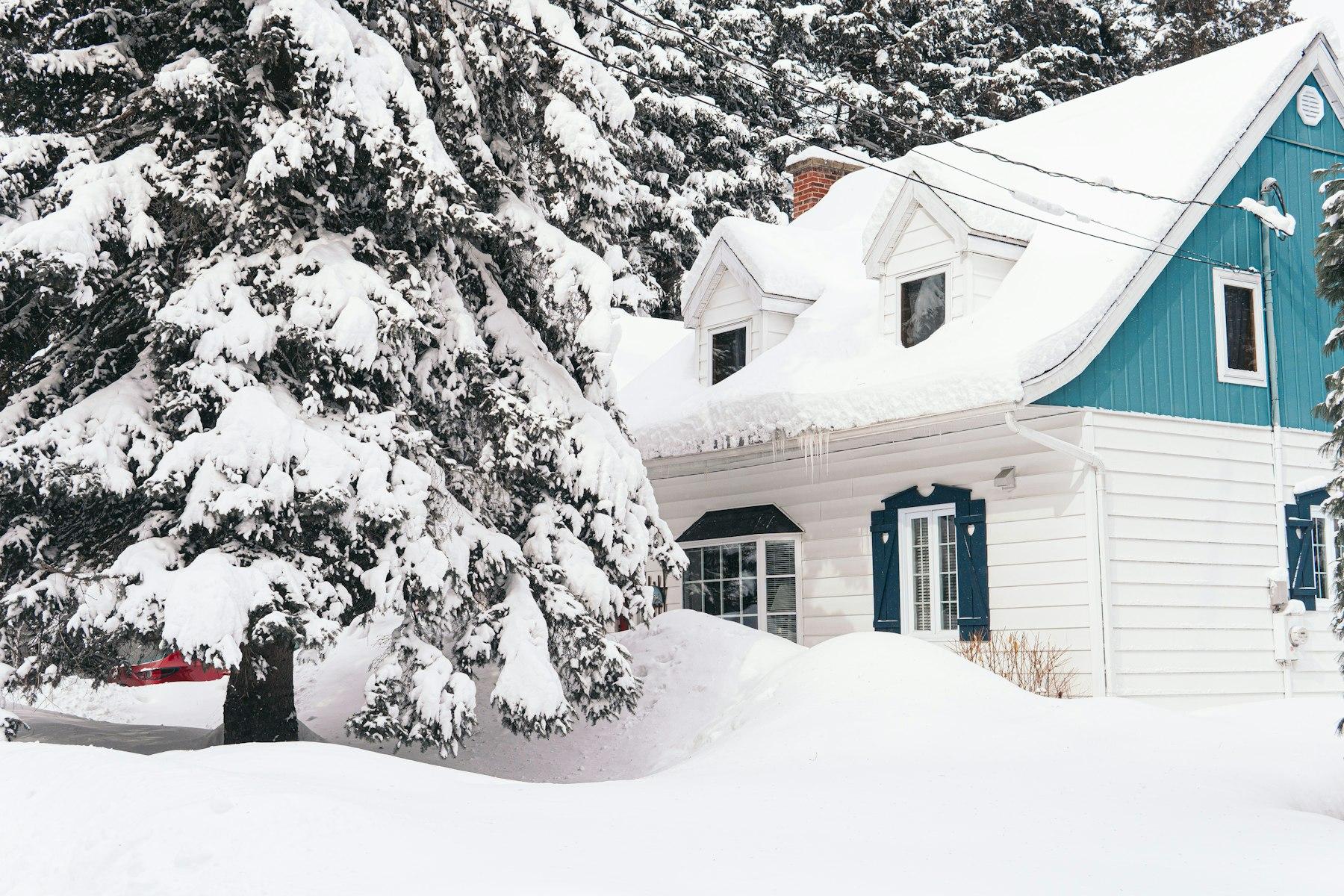
Heat pump blowing cold air: normal, defrost, or a real problem?
Normal heat pump air, a defrost cycle, or a fault: how to tell and what to check.
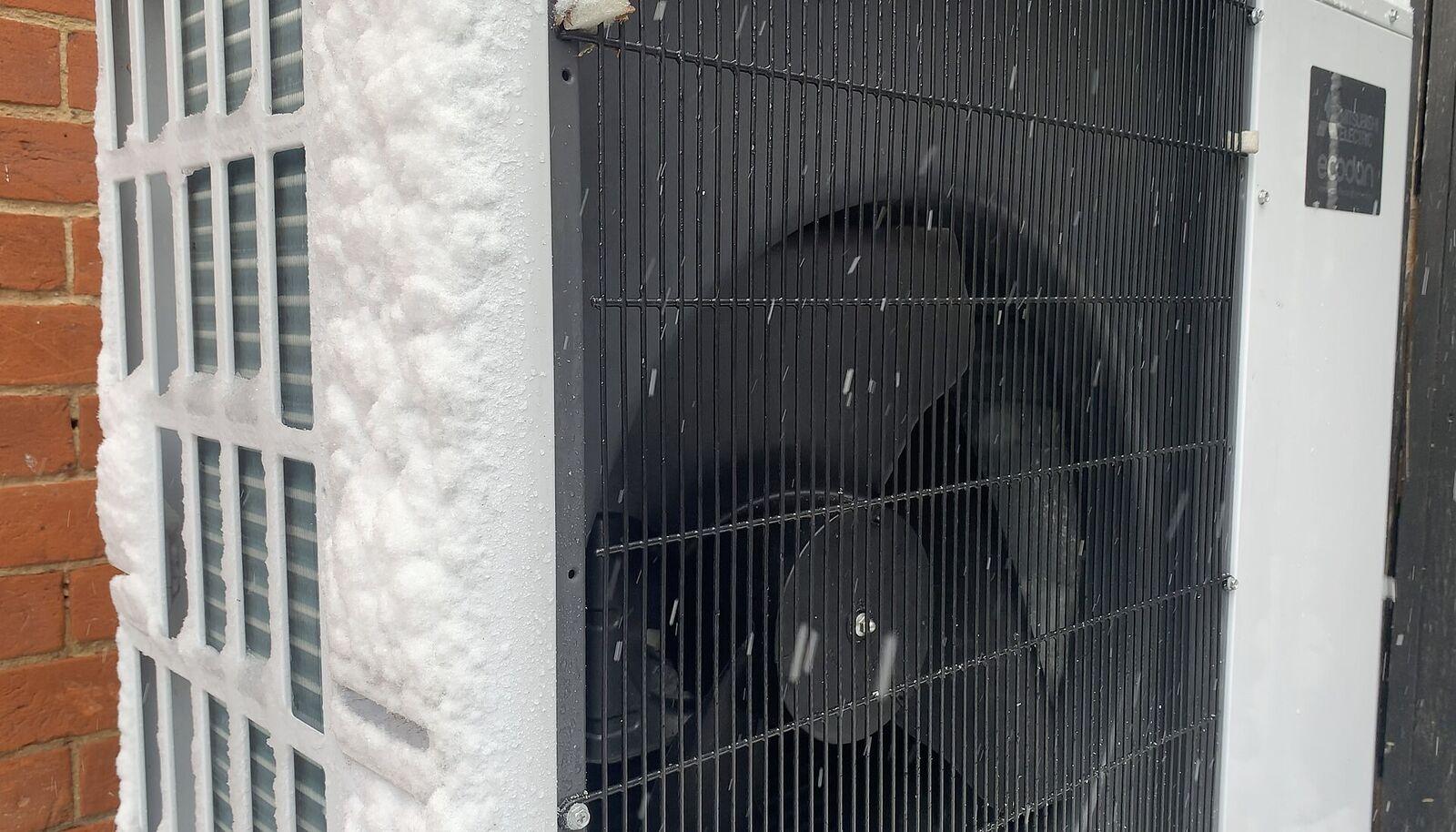
Heat pump keeps running nonstop: normal in the cold, a problem in mild weather
Long runs in the cold are normal. In mild weather: fan setting, thermostat, filter, outdoor coil, aux heat, stuck contactor.
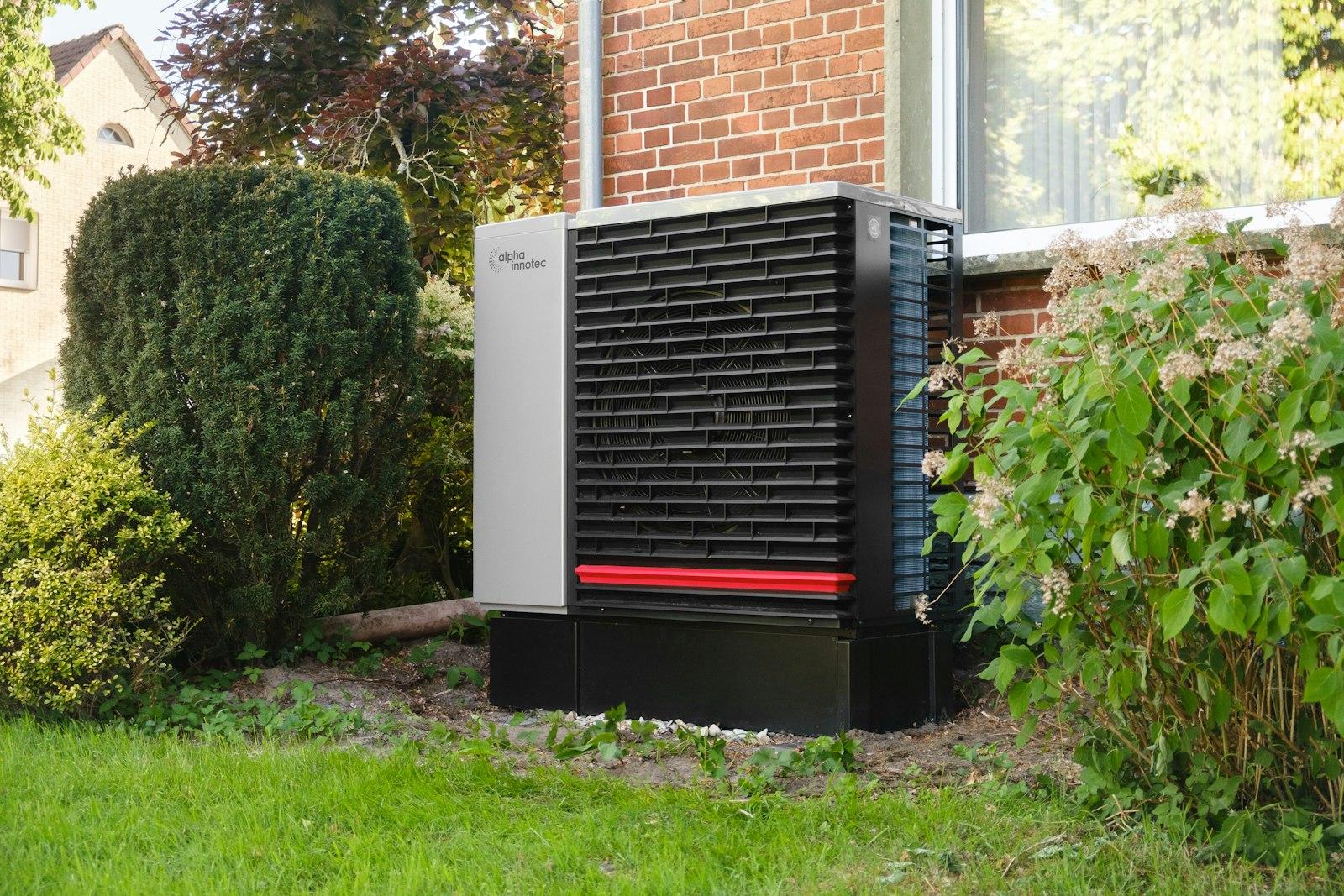
Heat pump not turning on: indoor checks, outdoor checks, and when it's normal
Won't start, or the outdoor unit is silent: thermostat, emergency heat, breakers, airflow, ice, capacitor.