AC not blowing cold air: why it's running but not cooling
Why It Stopped editorial team, updated
When a central air conditioner runs but the air from the vents isn't cold, the cause is usually airflow (a clogged filter, blocked vents, or a frozen indoor coil), a dirty or stopped outdoor unit, or low refrigerant from a leak. Start with the thermostat and filter, then go outside and check whether the outdoor unit's fan and compressor are actually running.
Is the air cool-ish, or actually warm?
This guide is for an AC that runs but cools poorly: the air is cooler than the room, just not cold enough, or the house never reaches the setpoint. If the air from the vents is warm or hot, the outdoor unit probably isn't doing its job at all; go to AC blowing hot air instead.
5-minute checks
- Thermostat: mode on Cool, fan on Auto, setpoint at least 3 to 5 degrees below the room temperature. With the fan on On, the blower keeps running between cooling cycles and pushes uncooled air.
- Filter: pull it out and look. If you can't see light through it, replace it.
- Vents: open all supply registers and clear furniture or rugs off return grilles.
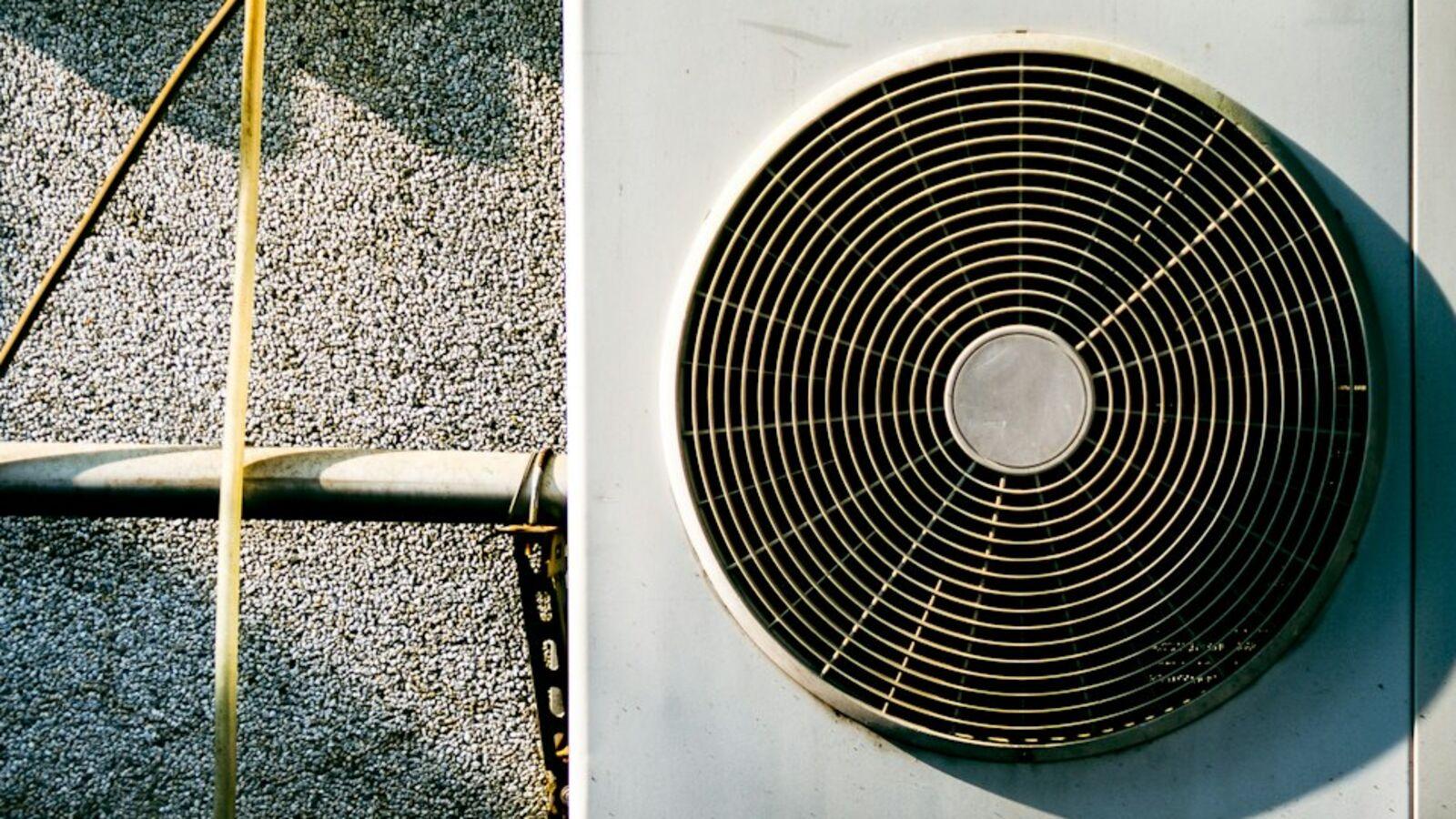
- Outdoor unit: go outside while it's calling for cooling. Is the fan spinning? Do you hear the compressor's steady hum? Is the coil around the sides clogged with grass, leaves or cottonwood fluff?
- Ice: look at the larger, insulated copper line running into the outdoor unit and at the indoor unit. Ice or frost there is a big clue.
9 causes, from simple to serious
1. Thermostat settings or dead batteries
Wrong mode, fan on On, a schedule overriding you, or weak batteries. Some smart thermostats also have a minimum compressor off-time, so wait a few minutes after a change before deciding it isn't working.
2. Dirty or missing filter
A clogged filter is the single most common cause of weak cooling. Lennox notes that a very dirty or misplaced filter can restrict airflow so much that the fan runs but no cool air comes out. It also leads directly to cause 3. ENERGY STAR recommends checking the filter monthly, especially during heavy use.
3. Frozen evaporator coil
When not enough warm air passes over the indoor coil, it gets cold enough to freeze. Ice blocks airflow even more, and cooling drops off. Signs: weak airflow, ice on the refrigerant line, water around the indoor unit.
What to do:
- Set the thermostat to Off (cooling off) so the coil can thaw. Some people run the fan on On to speed this up.
- Replace the filter and open all vents.
- Wait until all the ice is gone. This can take hours.
- Turn cooling back on. If it freezes again, the cause is likely low refrigerant or a blower problem: call a technician.
4. Dirty outdoor (condenser) coil
The outdoor unit gets rid of the heat taken out of your house. If its coil is matted with dirt, grass clippings or plant fluff, it can't shed heat and cooling suffers, especially on hot days. Turn off power at the outdoor disconnect, clear leaves, grass and plants away from the unit, and gently hose the coil from the outside in. Don't use a pressure washer, and don't comb or bend the fins.
5. Clogged condensate drain
The indoor coil pulls water out of the air; it drains through a pipe. When the line clogs, the pan fills and a float switch shuts the system off to prevent a flood. Signs: water in the drain pan or around the indoor unit, musty smells, system shutting off. Lennox describes clearing an early clog from the drain line access with a wet/dry vacuum and flushing it with diluted vinegar, with the power off.
6. Outdoor unit not running
If the indoor blower runs but the outdoor fan and compressor don't, you'll get room-temperature or warm air. Check the breaker and the disconnect switch next to the unit. A humming outdoor unit with a fan that won't spin often means a failed capacitor. Details are in AC blowing hot air.
7. Low refrigerant (a leak)
AC systems don't use up refrigerant. If it's low, there's a leak. Signs include a hissing sound, ice on the coil or lines, and long run times with little cooling. This is never a DIY job: refrigerant handling requires EPA certification, and the leak has to be repaired before recharging. Lennox advises turning the AC off and calling a professional if you suspect a leak.
8. Duct problems
Cool air in some rooms but not others suggests disconnected, crushed or leaky ducts, often in a hot attic where the air warms up before it arrives. A technician can find and seal the leaks.
9. Undersized or aging system
On the hottest days, any AC runs longer and may not keep up. A system that struggled from day one may be undersized; one that slowly lost capacity over the years may need repair or replacement. Before deciding, rule out causes 1 to 8, which are much cheaper.
Quick reference
| What you notice | Likely cause | DIY or pro |
|---|---|---|
| Weak airflow, ice on the line | Frozen coil from airflow or refrigerant | Thaw + filter yourself; repeat freezing = pro |
| Strong airflow, air barely cool | Dirty outdoor coil, low refrigerant | Clean coil yourself; refrigerant = pro |
| Water around indoor unit, system shuts off | Clogged condensate drain, float switch tripped | DIY if caught early |
| Outdoor fan not spinning, humming | Failed capacitor or fan motor | Pro |
| Some rooms cool, others not | Ducts | Pro |
When to call a pro
Doing spring maintenance before the first heat wave prevents many of these calls. More guides: all AC troubleshooting. If you have a heat pump, the same checks apply in cooling mode; for winter problems see heat pump blowing cold air.
Questions people ask
Why is my AC running but not cooling the house?
The most common reasons are a dirty filter restricting airflow, a frozen evaporator coil, a dirty outdoor coil, the outdoor unit not running, or low refrigerant from a leak. Check the thermostat and filter first, then look at the outdoor unit and the refrigerant line for ice.
How do I know if my AC coil is frozen?
Look for ice or frost on the larger copper refrigerant line near the outdoor unit or at the indoor unit, weak airflow from the vents, or water around the indoor unit as ice melts. Turn cooling off and let it thaw completely before running it again, and find out why it froze.
Can I add refrigerant to my AC myself?
No. Refrigerant isn't used up like fuel; low refrigerant means a leak. Handling refrigerant requires EPA certification, and the leak has to be found and repaired before the system is recharged.
How often should I change my AC filter?
Lennox says every three months or sooner, and ENERGY STAR suggests checking it monthly during heavy use. A very dirty filter can cut airflow so much that the fan runs but almost no cool air comes out.
Why does my AC cool some rooms but not others?
That points to the ducts: closed or blocked vents, a disconnected or crushed duct, or leaks sending cool air into the attic. An HVAC technician can test and seal the ductwork.
Sources
- Lennox: AC not blowing cold air
- Lennox: Outside AC unit not turning on
- Lennox: AC compressor not turning on
- Lennox: AC drain line clogged
- Lennox: No power to thermostat (float switch and drain backups)
- ENERGY STAR: Maintenance checklist
Written by the Why It Stopped editorial team from the manufacturer manuals and safety guidance listed above. It covers checks a homeowner can do safely; gas lines, refrigerant and sealed components are work for a licensed technician. See our editorial policy and safety disclaimer.