Furnace keeps turning on and off? How to tell what's causing it
Why It Stopped editorial team, updated
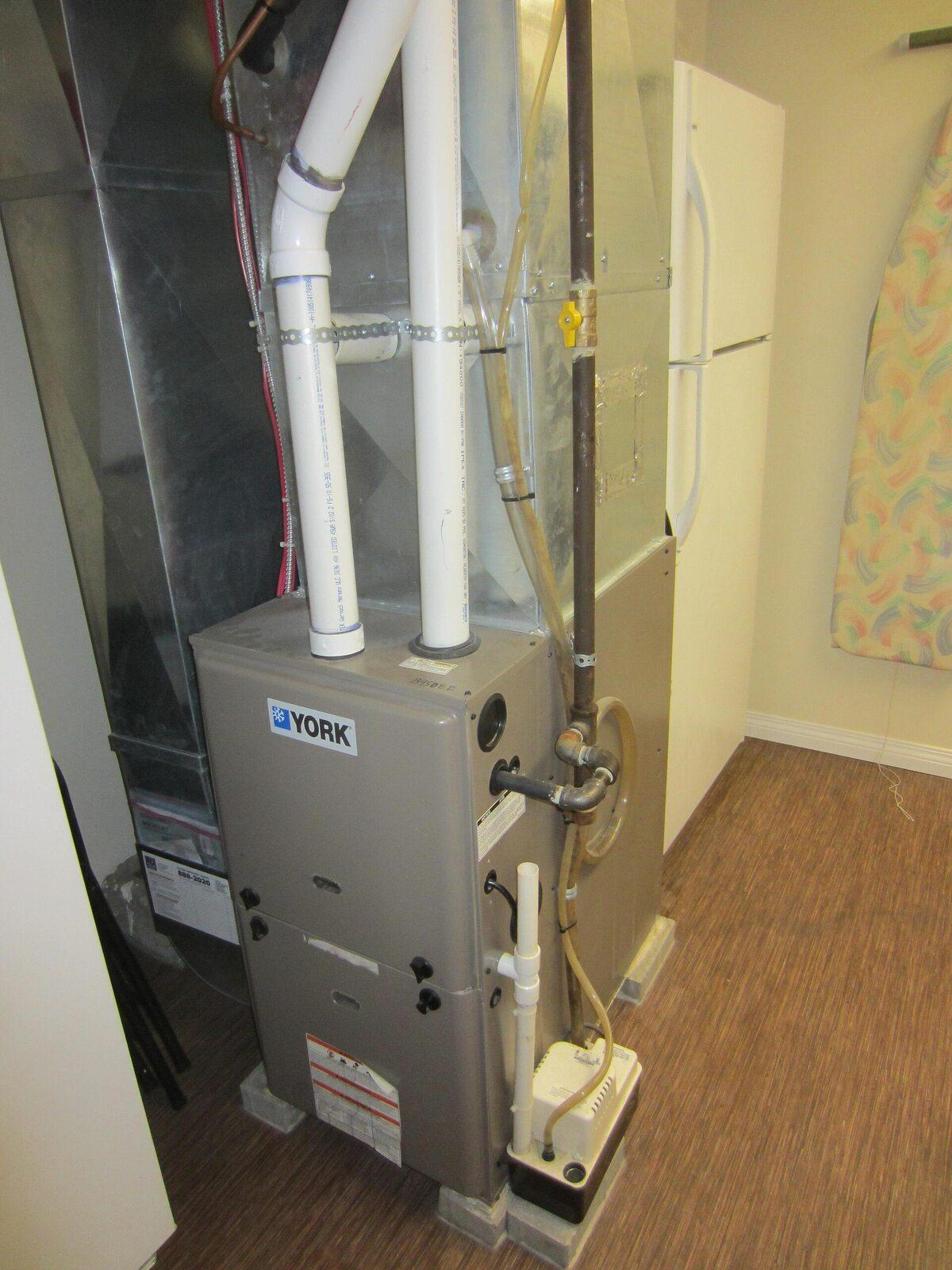
A furnace is short cycling when the burners come on and shut off again before the house reaches the temperature you set. Trane says a normal cycle generally lasts at least 7 minutes, and Carrier treats runs of under 5 to 10 minutes, over and over, as a warning sign. The cheapest causes come first: a dirty filter, closed vents and a badly placed thermostat. After that, the flue, the flame sensor, the limit switch, and a furnace that's simply too big for the house, which Trane calls the most common cause of all.
Is it really short cycling?
Frequent cycling isn't automatically a fault. Trane points out that on a very cold night, a furnace that cycles often can be normal because the house is losing heat fast, and that single-stage and two-stage furnaces cycle more noticeably than modulating ones, which run longer at low speed. Lennox says a furnace that starts again almost immediately after shutting off should only do that in extremely cold, below-zero weather.
It's short cycling when the burners shut off before the house reaches the setpoint, day and night, even when it isn't especially cold. The usual side effects, per Carrier and Lennox: some rooms cold while others are warm, a house that never quite reaches the setting, and heating bills that go up while comfort goes down.
Time one cycle
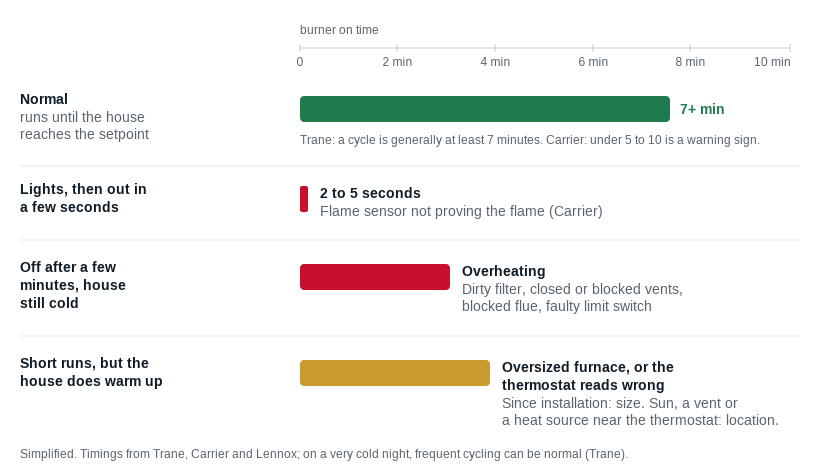
You'll learn more from one timed cycle than from anything else. Raise the thermostat a couple of degrees, note when the burners light (you'll hear them, or see the flame through the burner window if your furnace has one), and note when they shut off. Then match it up:
| What you see | Likely cause | Where to look |
|---|---|---|
| Burners light, then go out within seconds, and it tries again | Flame sensor | Technician checks |
| Runs a few minutes, shuts off, house still cold | Overheating: filter, vents, flue, limit switch | Checks 1, 2 and 4 |
| Shuts off while the room with the thermostat is warm and the rest are cold | Thermostat location | Check 3 |
| Short, frequent runs that do keep the house warm, since installation | Oversized furnace | Sizing |
If the furnace's status light is blinking a code, read it before you go further; our guide to a furnace blinking red light explains how. Carrier notes that many modern furnaces show a fault code for flame sensor problems.
Checks you can do yourself
1. The air filter
Carrier calls a clogged filter a leading cause of short cycling. It restricts airflow, heat builds up inside the furnace, and the limit switch shuts the burners off to keep the heat exchanger from overheating. When it cools down, the furnace starts again, and the loop repeats.
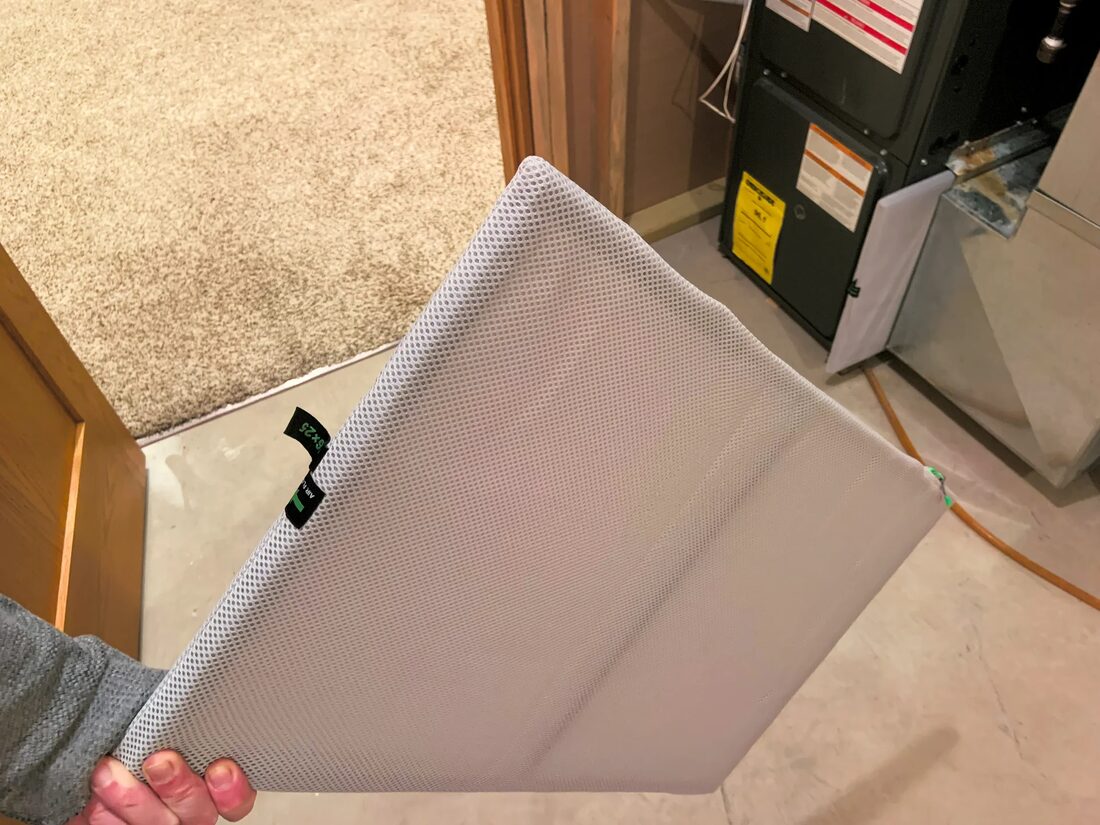
Pull the filter out and look at it. If it's gray and matted with dust, replace it. Carrier recommends checking filters monthly and replacing 1-inch filters every 1 to 3 months; Trane gives the same 1 to 3 month range depending on the filter.
2. Vents and returns
Carrier's checklist goes straight from the filter to the supply registers: make sure every one is fully open and not blocked by furniture. Vents closed for the summer and never reopened are a frequent, overlooked cause. Trane adds the return grilles, which shouldn't be blocked by furniture or drapes. Lennox points out that blocked or damaged ductwork can make the furnace overheat and cycle too, which is a job for a technician to inspect.
3. The thermostat
A thermostat that reads the wrong temperature turns the furnace off too early or on too often.
- Location. Trane says a thermostat on a wall that gets direct sunlight can turn the heat off regardless of the temperature in the rest of the house. Carrier recommends an interior wall away from direct sun, exterior doors, windows, air vents, drafts and heat-producing appliances. If yours sits above a supply register or next to a lamp, that alone can cause it.
- Batteries and wiring. Trane lists faulty wiring, dying batteries and calibration problems. Replace the batteries; if the thermostat's reading doesn't match a separate thermometer, it may need recalibrating or replacing.
- Settings. Lennox suggests making sure the fan is set to Auto rather than On. Carrier adds that constant setpoint changes add runtime; pick a temperature and leave it.
4. The flue and vent pipes
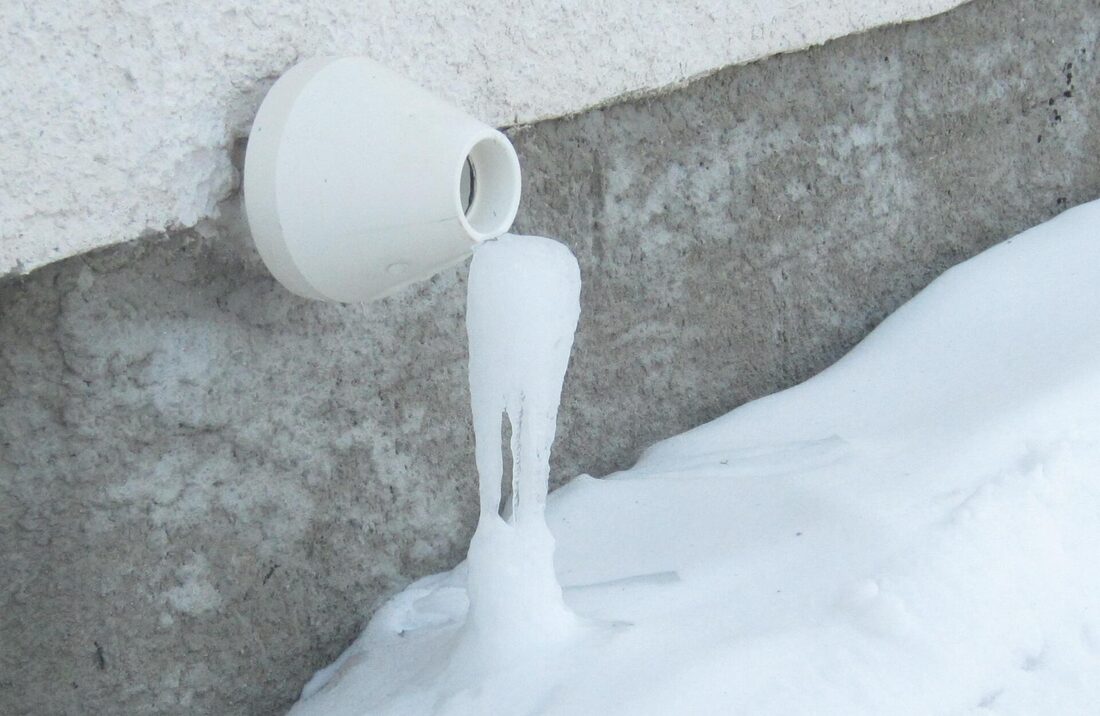
If the exhaust flue or vent pipe is blocked, Trane says a safety control shuts the furnace down to prevent carbon monoxide poisoning; it names a bird's nest, a rodent, even a toy. On a high-efficiency furnace, the plastic pipes outside are easy to check: look for nests, leaves, drifted snow or ice at the openings. Lennox says to remove blockages if you can and have a technician inspect the flue otherwise.
Our furnace not turning on guide covers the outdoor vent and intake pipes in more detail.
5. Has anything changed in the house?
Trane notes that a furnace sized correctly when it went in can become oversized after you insulate or otherwise make the house tighter, because the heating load drops. New windows, an insulation upgrade or closed-off rooms are worth mentioning to the technician.
What the technician checks
If airflow and the thermostat check out and it still short cycles, Carrier's advice is to turn the system off and call an HVAC professional. These are the main suspects.
The flame sensor
The flame sensor is a thin metal rod in the burner assembly that confirms there's a flame once the gas valve opens. Carrier explains that if the control board doesn't get that signal, it closes the gas valve and shuts the furnace down so unburned gas can't build up. The classic symptom, per Carrier, is a furnace that starts and then shuts off after 2 to 5 seconds, then tries again.
The usual culprit is carbon buildup or oxidation on the rod; Carrier also lists a cracked porcelain insulator, a bent or misaligned rod, loose wiring and poor grounding. Carrier recommends having a trained technician remove, clean and test it, and says it should never be bypassed. Lennox likewise says to schedule service if the flame sensor looks dirty. If your furnace lights and quits but blows cool air in between, see furnace blowing cold air.
The limit switch
The limit switch shuts the burners off when the furnace overheats. Usually it's doing its job and the real problem is airflow. But Trane notes that a faulty limit switch can think the furnace is overheating when it isn't and shut it down early, and that a failed one can allow repeated overheating. A technician tests it and replaces it if needed.
The heat exchanger
Trane says a faulty or cracked heat exchanger can make the furnace overheat and shut down, cool off, try again, quickly overheat and shut down again. That needs a professional assessment. Heat exchangers are designed to last the life of the furnace, so on an older unit Trane says to be ready for a repair-or-replace conversation, since a replacement can cost several thousand dollars.
An oversized furnace
Trane calls this the most common cause of short cycling, and the telltale sign is that it has happened since the furnace was installed. Carrier explains why: a furnace too large for the home's heating load warms the space too quickly, the thermostat is satisfied almost at once, and the furnace shuts off. Lennox says it isn't dangerous but wastes energy. The real fix is a properly sized replacement, based on a load calculation such as ACCA Manual J (which Carrier says the Department of Energy recommends) rather than a rule of thumb.
Lennox also lists a dirty or frozen evaporator coil, the air conditioner coil that shares the furnace's airflow on many systems. Lennox says to schedule service if it's dirty or iced.
Why it's worth fixing
Short cycling costs you in three ways. Trane lists lower efficiency and higher gas bills, extra wear on furnace components, and potential damage to the heat exchanger. Lennox adds a shorter furnace lifespan and the risk of bigger repairs later. All three recommend a yearly tune-up: Carrier says the technician inspects critical components, cleans the furnace and tightens electrical connections, and Lennox adds a check that airflow is right.
When to call a pro
If your furnace won't start at all, read furnace not turning on. A heat pump that runs too long has its own guide: heat pump keeps running. All topics: furnace troubleshooting.
Questions people ask
How long should a furnace run per cycle?
Trane says a furnace cycle generally lasts at least 7 minutes, and Lennox puts a full cycle at about five minutes. Carrier says that if the system repeatedly runs for less than 5 to 10 minutes before shutting off, it may be short cycling. On a very cold night, more frequent cycles can be normal.
Why does my furnace turn on and off every few minutes?
The most common reasons are restricted airflow (a dirty filter or closed vents), which makes the furnace overheat until a safety switch shuts it down; a thermostat that reads the wrong temperature because of sun, a nearby vent or bad wiring; a blocked flue; a dirty flame sensor; a faulty limit switch; or a furnace that's too large for the house.
Can a dirty air filter make a furnace short cycle?
Yes. Carrier calls a clogged filter a leading cause. It restricts airflow, heat builds up inside the furnace, and the limit switch shuts the burners off to protect the heat exchanger. Once it cools, the furnace starts again and the cycle repeats. Check the filter monthly and replace 1-inch filters every 1 to 3 months.
Is a short cycling furnace dangerous?
Trane says it wouldn't call short cycling itself dangerous, but it raises gas bills, adds wear and can damage the heat exchanger. A blocked flue is a different matter: Trane notes the furnace shuts down in that case to prevent carbon monoxide poisoning, so clear it or call a technician before running the furnace normally.
Can a new furnace short cycle?
Yes, and if it has short cycled since the day it was installed, Trane says it may have been sized wrong for the house. Carrier explains that an oversized furnace heats the space too fast, so the thermostat is satisfied quickly and shuts it off. Sizing should come from a heating load calculation such as ACCA Manual J, which Carrier notes the Department of Energy recommends.
Sources
- Trane: Furnace short cycling, what it is and how to stop it
- Carrier: Understanding furnace short cycling
- Lennox: Furnace short cycling, causes and solutions
- Carrier: Furnace flame sensor, what it is and why it fails
Written by the Why It Stopped editorial team from the manufacturer manuals and safety guidance listed above. It covers checks a homeowner can do safely; gas lines, refrigerant and sealed components are work for a licensed technician. See our editorial policy and safety disclaimer.
Other furnace problems
Furnace blinking red light: how to read what it's telling you
Count the flashes, find your model's chart, and see which group the code falls into.
Furnace blowing cold air: 8 causes and what to check first
Air moves but isn't warm: fan setting, filter, flame sensor, gas, condensate and ducts.
Furnace not turning on: 9 checks, in the order a tech would do them
Nothing happens at all: thermostat, power, filter, gas, vents, and lockout codes in order.