Furnace blinking red light: how to read what it's telling you
Why It Stopped editorial team, updated
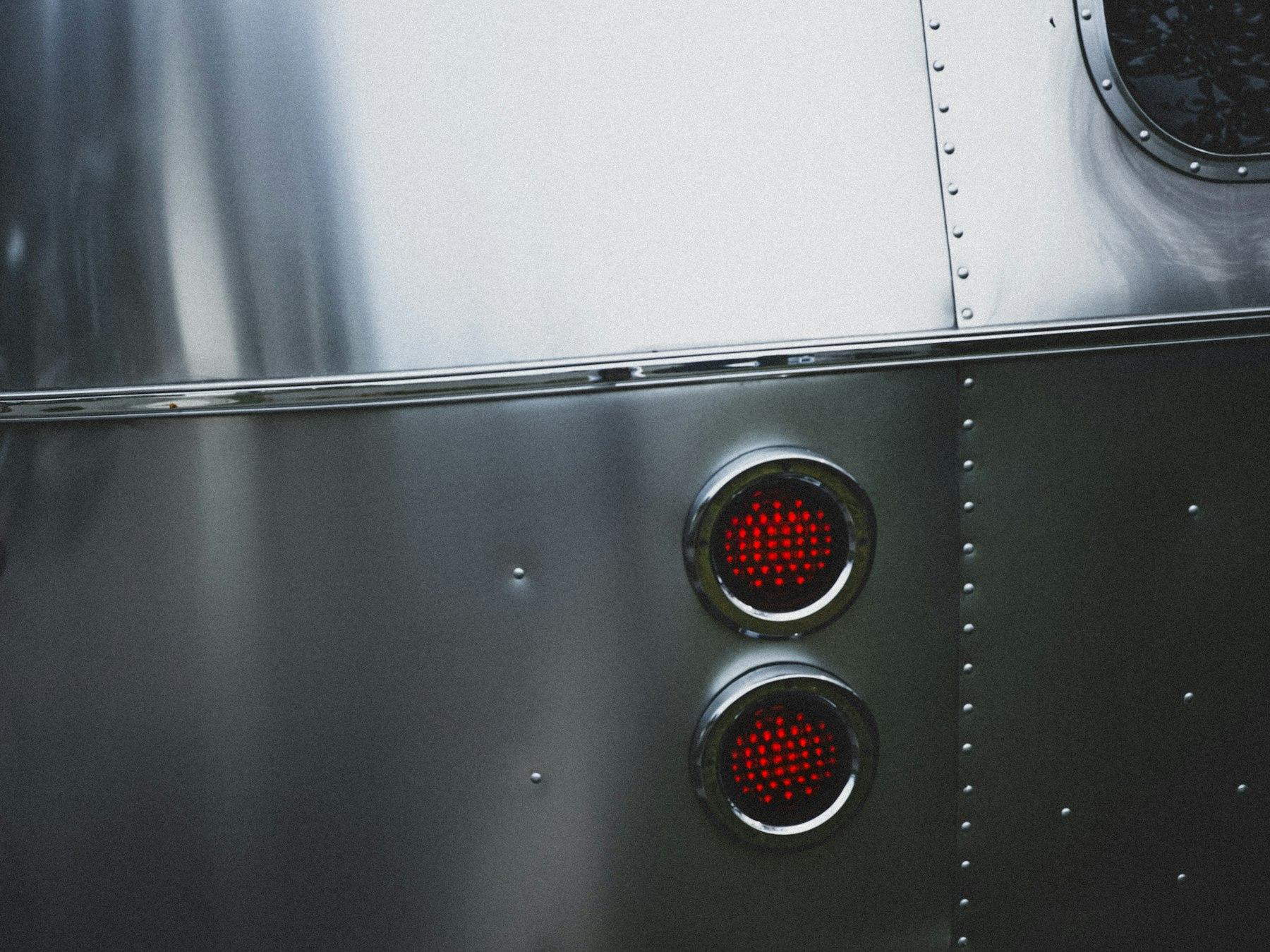
A blinking red light on a gas furnace is the control board reporting a fault as a code: a number of flashes, a pause, then the same pattern again. The meaning depends on the brand and model, so the chart on the inside of your furnace's blower door is the only reliable decoder. Most codes fall into a few groups: pressure switch, limit or rollout switch, ignition and flame, or power and wiring.
Step 1: Count the code before you touch anything
- Find the small window or light on the lower (blower) door. If there's no window, the light is on the control board inside.
- Watch at least three full cycles. Write down the pattern: for example "3 flashes, pause" or "1 short, 3 long".
- Note the color and whether the furnace is trying to run (inducer fan humming, clicking, igniter glowing).
- Take a photo or short video. Technicians love this.
Don't switch the power off yet. On many furnaces, cutting power clears a lockout and the board may lose the last fault code. If you need to open the blower door to see the board, know that many furnaces have a blower door switch that cuts power (and on some models gas) when the door comes off, which can also reset what you're looking at.
Step 2: Find your model's code chart
Codes are not universal. Three flashes can mean a pressure switch on one brand and something else entirely on another. Trane's own guidance is that the pattern means different things depending on make, model and issue.
Where to look:
- Inside the blower door: most furnaces have a sticker listing every code.
- Near the control board: sometimes printed on the wiring diagram.
- Online: take the model number from the rating plate (usually inside the burner compartment) and search the manufacturer's site for the installation or service manual.
Step 3: Match the code to a fault group
Whatever your brand calls them, nearly all furnace codes fall into one of these groups.
| Fault group | What the furnace is saying | Common causes | Safe homeowner check |
|---|---|---|---|
| Pressure switch | The inducer fan can't prove the vent is clear | Blocked vent or intake pipe, blocked or disconnected pressure tubing, failing inducer, bad switch | Check outside vent and intake terminals for snow, ice, nests or debris |
| Limit circuit | Something got too hot inside the furnace | Dirty filter, closed or blocked vents, blower problem | Replace the filter, open supply registers, clear return grilles |
| Flame rollout | Flame or heat escaped the burner area | Blocked flue, cracked or blocked heat exchanger, dirty burners | None. Call a technician. Don't keep resetting it. |
| Ignition / flame sense | The burners didn't light or the board couldn't prove the flame | Dirty flame sensor, worn igniter, gas valve or supply off, low gas pressure | Check that the gas valve to the furnace is open and other gas appliances work |
| Lockout | Too many failed tries; the board stopped trying | Any of the above, repeated | Note the code, then see furnace not turning on |
| Power / polarity / fuse | Wiring or control power problem | Reversed polarity, blown low-voltage fuse, bad board | Check breaker and furnace switch only |
Example: how one manufacturer's codes read
To show how specific these charts get, here is part of the status code chart from a Carrier 58-series service manual. Each code is a two-digit number: the first digit is the number of short flashes, the second the number of long flashes. Use it as an illustration, not a decoder for your furnace unless the chart on your door matches.
| Code | Carrier's description | What the manual tells the technician to check |
|---|---|---|
| Light off | No power to the control | 115 V and 24 V supply to the board |
| Light on steady | Control has 24 V power | Normal power |
| Rapid flashing | Line voltage polarity reversed | Wiring |
| 13 | Limit circuit lockout | Limit, draft safeguard, rollout or blocked-vent switch open over 3 minutes, or 10 successive limit trips during high heat; auto-resets after 3 hours |
| 14 | Ignition lockout | Auto-resets after 3 hours; see code 34 |
| 23 | Pressure switch did not open | Obstructed pressure tubing, switch stuck closed |
| 31 / 32 | High- or low-heat pressure switch did not close or reopened | Vent sizing, inducer motor, restricted vent, pressure tubing, excessive wind |
| 33 | Limit circuit fault | Dirty filter or restricted ducts, restricted vent, loose blower wheel; the rollout switch needs a manual reset |
| 34 | Ignition-proving failure | Low gas pressure, gas valve off, oxide on the flame sensor, poor ground; the control tries three more times before lockout 14 |
Notice how often the chart points back to the same few things: airflow, venting, gas supply and a dirty flame sensor.
What you can safely do now
- Replace the air filter if it's dirty or you don't remember the last change. Limit codes very often trace back to a clogged filter.
- Open all supply registers and clear anything blocking return grilles.
- Check outside: on high-efficiency furnaces, two plastic pipes exit through the wall or roof. Clear snow, ice, leaves or nests away from the openings.
- Check the gas: the valve on the pipe into the furnace should have its handle parallel to the pipe. Make sure the stove or water heater works.
- Check the thermostat is on Heat with the setpoint above room temperature.
- Then reset once: turn the furnace switch off, wait a minute, turn it back on, and watch whether the same code returns.
When to call a pro
When you call, give the technician the brand, model number, the exact flash pattern and what you've already checked. They can often bring the right part on the first visit.
If your furnace runs but the air is cold, read furnace blowing cold air. If nothing happens at all, start with furnace not turning on. More: all furnace guides.
Questions people ask
Is a blinking light on a furnace always bad?
No. Many boards blink a light during normal operation, often green or amber, and some use a slow blink for 'standby' and a fast one for 'heating'. A red light blinking in a repeating pattern of flashes and pauses generally means a fault. Check your model's chart to be sure.
Where is the furnace code chart?
Usually on a label stuck to the inside or back of the blower compartment door, sometimes on a wiring diagram nearby. If it's missing or faded, search the model number from the furnace rating plate together with 'installation instructions' or 'service manual' on the manufacturer's website.
Will turning the power off and on clear the code?
Often it clears a lockout for the moment, and some boards then forget the last code. That's why you should write the code down before you touch the power. If the same code comes back, the cause is still there.
My furnace light is blinking fast and continuously. What does that mean?
It depends on the brand. On some Carrier control boards, rapid continuous flashing means the 115-volt line polarity is reversed, a wiring issue for an electrician or HVAC technician. On other brands a fast blink can mean normal heating. Your model's chart decides.
Can I fix a pressure switch code myself?
You can do the safe outside checks: make sure the vent and intake pipes outside aren't blocked by snow, ice or debris, and that the filter is clean. Testing or replacing the pressure switch, inducer motor or tubing is technician work.
Sources
- Trane: Furnace light blinking, what it means
- Carrier 58-series troubleshooting guide with service/status code chart (PDF)
- Lennox: Flame rollout switch
- Lennox: Furnace flame sensor
Written by the Why It Stopped editorial team from the manufacturer manuals and safety guidance listed above. It covers checks a homeowner can do safely; gas lines, refrigerant and sealed components are work for a licensed technician. See our editorial policy and safety disclaimer.
Other furnace problems
Furnace blowing cold air: 8 causes and what to check first
Air moves but isn't warm: fan setting, filter, flame sensor, gas, condensate and ducts.
Furnace not turning on: 9 checks, in the order a tech would do them
Nothing happens at all: thermostat, power, filter, gas, vents, and lockout codes in order.