AC not turning on or stopped working: what to check first
Why It Stopped editorial team, updated
When a central air conditioner won't turn on at all, with no air from the vents and no sound outside, the cause is usually one of a short list: thermostat settings or power, a switch or breaker that's off, a float switch that shut the system down because the condensate drain backed up, a blown low-voltage fuse, or a failed capacitor. Most of the first half you can check yourself in fifteen minutes.
Is it really "not turning on"?
Pin down exactly what's not working, because it changes the whole diagnosis:
| What you notice | Where to look |
|---|---|
| Nothing at all: no air from vents, outdoor unit silent, maybe a blank thermostat | This guide |
| Air blows from the vents, but it's warm and the outdoor unit is silent or humming | AC blowing hot air |
| Air blows and it's a bit cool, just not cold enough | AC not blowing cold air |
| It's a heat pump and it won't run in heat or cool | Heat pump not turning on |
The difference matters because a dead system usually has a power or safety-switch problem on the indoor side. The indoor unit (a furnace or an air handler) runs the blower and supplies the 24-volt power the thermostat and the outdoor unit's controls depend on. If it's off, everything's off.
The 8 checks, in order
1. Thermostat mode, setpoint and fan
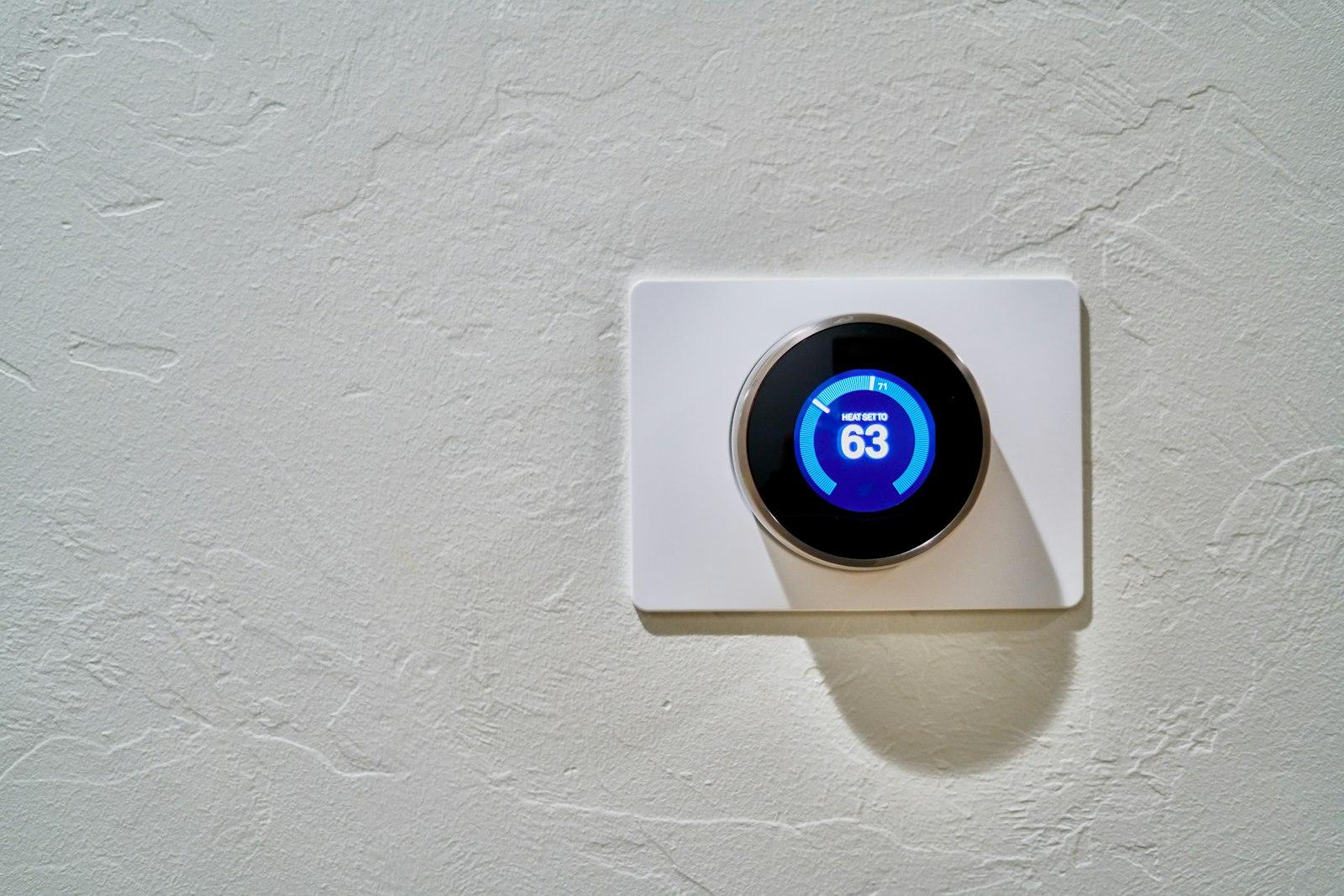
Trane's first check is the thermostat: mode on Cool, fan on Auto, and a set temperature below the current indoor temperature. Someone who felt cold may have changed it, or a schedule may be overriding you. Lennox also suggests checking that a smart thermostat is still connected to Wi-Fi and hasn't lost its programming.
2. A blank thermostat screen
Replace the batteries if it uses them; Trane says a blank screen often just means dead batteries. A hardwired thermostat has no batteries to blame: it draws power through a common wire (C-wire) from a transformer in the indoor unit, Lennox explains. A blank hardwired thermostat therefore points at the indoor unit: no power to it, an open float switch (check 5) or a blown low-voltage fuse (check 6).
3. The indoor unit's power switch
If you have a furnace, there's usually a switch that looks like a light switch on or near it. Trane notes air handlers may not have one; Lennox says some have a disconnect switch or breaker on the unit itself. It's easy for someone to flip it off thinking it's a light. Make sure it's On.
While you're at the furnace or air handler, make sure the front panel is properly in place. Trane notes that units may have a blower door switch that cuts power when the panel is removed, so a panel that isn't seated after a filter change can leave the system dead.
4. Both breakers
A central AC normally has a breaker for the indoor unit and a separate one for the outdoor unit, plus a disconnect box on the wall next to the outdoor unit. Trane says to check both breakers.
What to do about a tripped breaker is where the sources differ. Lennox describes resetting it by switching it fully off, then back on. Trane advises not flipping it and calling a professional, because the trip may come from a fault in the system. Our advice: reset once at most. If it trips again, leave it off and call. A breaker that keeps tripping is protecting you from something.
5. The condensate float switch
This is the one homeowners miss. An AC pulls water out of the air at the indoor coil, and that water runs to a drain pan and out through a drain line. Trane notes that a clogged drain line can shut the system down on units with a condensate safety switch, and Lennox describes the float switch that cuts system power when standing water backs up, to prevent water damage.
Look for:
- Water in the drain pan under or beside the indoor coil, or a wet secondary pan in an attic.
- A small float switch clipped to the pan or the drain pipe.
- A condensate pump with a full reservoir.
If the line is clogged and you catch it early, Lennox describes turning the system off, clearing the clog from the drain access with a wet/dry vacuum, then flushing the line with diluted vinegar or an approved cleaner. Once the water drains, the float drops and the system should restart. If water keeps backing up, call a technician.
6. A blown low-voltage fuse
Many furnace and air handler control boards have a small fuse protecting the 24-volt circuit that powers the thermostat and the outdoor unit's controls. Lennox lists a blown HVAC fuse, often after a surge, as a reason the thermostat loses power. On the Carrier furnace family we use as an example elsewhere, the board even has its own status code for this: code 24, "secondary voltage fuse is open", with a short in the 24-volt wiring as the thing to check.
Replacing the fuse can bring the system back, but Lennox adds that if it keeps blowing, a professional needs to find the cause. Carrier's chart points to a short circuit in the 24-volt wiring, which runs between the thermostat, the indoor unit and the outdoor unit. If your furnace board has a status light, read the code first: our furnace blinking red light guide explains how.
7. A dirty filter or a frozen coil
Trane lists a clogged filter and a frozen evaporator coil among the reasons an AC isn't working. A badly restricted system may also trip safety controls and shut down. Replace the filter. If you see ice on the refrigerant lines or the indoor coil, turn cooling off and let it thaw for several hours before trying again; the frozen coil steps are in our not-cooling guide.
8. Capacitor or contactor (technician)
If the indoor blower runs but the outdoor unit doesn't, you're really in "blowing hot air" territory. If nothing starts after all the checks above, a failed start or dual capacitor can stop the AC from turning on, Trane explains, and Lennox names a failed capacitor or contactor as a reason the outdoor unit won't start even with a cooling call. These parts hold a charge and sit next to 240-volt wiring: technician only.
After a power outage
Outages and surges cause a lot of "it stopped working" calls. Work through it like this:
- Check the thermostat. Some lose their schedule or reset to Off.
- Check both breakers and the indoor switch.
- Wait several minutes. Lennox suggests giving minor adjustments a few minutes to take effect before deciding they didn't work.
- If the thermostat is blank or nothing happens, a surge may have blown the low-voltage fuse or damaged a board or transformer (Lennox lists transformer failure from a surge as a cause of a dead thermostat). That's a service call.
When to call a pro
Tell the technician what you've already checked and what the thermostat and furnace status light showed. If the AC turns on but won't cool properly, continue with AC not blowing cold air. All topics: air conditioner troubleshooting.
Questions people ask
Why won't my AC turn on even though the thermostat is set to cool?
Check that the set temperature is below the room temperature and the fan is on Auto. If the screen is blank, replace the batteries or look for a power problem. Next check the furnace or air handler switch, both breakers, and whether a float switch has shut the system off because of a clogged condensate drain.
Should I reset the breaker for my AC?
Lennox describes resetting a tripped breaker by switching it fully off, then on. Trane takes the cautious line and advises calling a technician instead of flipping it, because the trip may be caused by a fault in the system. A sensible middle ground: one reset at most, and if it trips again, leave it off and call.
My thermostat is blank. Is that why the AC won't turn on?
Very likely. A battery thermostat needs new batteries. A hardwired one gets 24-volt power from the furnace or air handler, so a blank screen can mean the indoor unit has no power, a float switch has opened, or a low-voltage fuse on the control board has blown.
Can a clogged drain line stop my AC from turning on?
Yes. Many systems have a float or condensate safety switch that cuts power when water backs up in the drain pan, to protect your home from water damage. Clearing the drain usually brings the system back.
My AC stopped working after a power outage. What do I do?
Check the thermostat first: some lose their settings. Then check the breakers and the indoor switch, and give it a few minutes after any reset, as Lennox suggests. If nothing happens after that, a surge may have blown a fuse or damaged a part, which is a technician call.
Sources
- Trane: AC not turning on
- Trane: Air handler not turning on
- Lennox: Air handler not turning on
- Lennox: No power to thermostat
- Lennox: AC drain line clogged
- Lennox: Outside AC unit not turning on
- Trane: Furnace light blinking (blower door switch)
- Carrier 58-series troubleshooting guide with service/status code chart (PDF)
Written by the Why It Stopped editorial team from the manufacturer manuals and safety guidance listed above. It covers checks a homeowner can do safely; gas lines, refrigerant and sealed components are work for a licensed technician. See our editorial policy and safety disclaimer.